Welcome
About Me
I am Lovatiana RABARIJAONA,
motivated and passionate about computer science and technology, I am a student at MISA (Applied Mathematics, Computer Science, and Statistics). I am eager to apply my knowledge in programming and problem-solving to real-world challenges. With a strong foundation in coding and hardware programming, I am looking to further develop my skills through practical experiences and innovative projects.
Education
2024 - Present
Master's in Applied Mathematics, Computer Science, and Statistics (MISA)
University of Antananarivo
Specializing in applied mathematics, computer science, and statistical analysis to solve real-world challenges.
2023 - 2024
Bachelor's in Applied Mathematics, Computer Science, and Statistics (MISA)
University of Antananarivo
Developed advanced problem-solving skills in data analysis and programming.
2021 - 2023
Bachelor's in Mathematics and Computer Science
University of Antananarivo
Gained foundational knowledge in Programming and Mathematics.
2020
BACC C (High School Diploma)
Lycée Privé FJKM Ambatolampy Ambohitrimanjaka
Graduated with a strong focus on mathematics and sciences.
Work


Cards-tor
Card market place
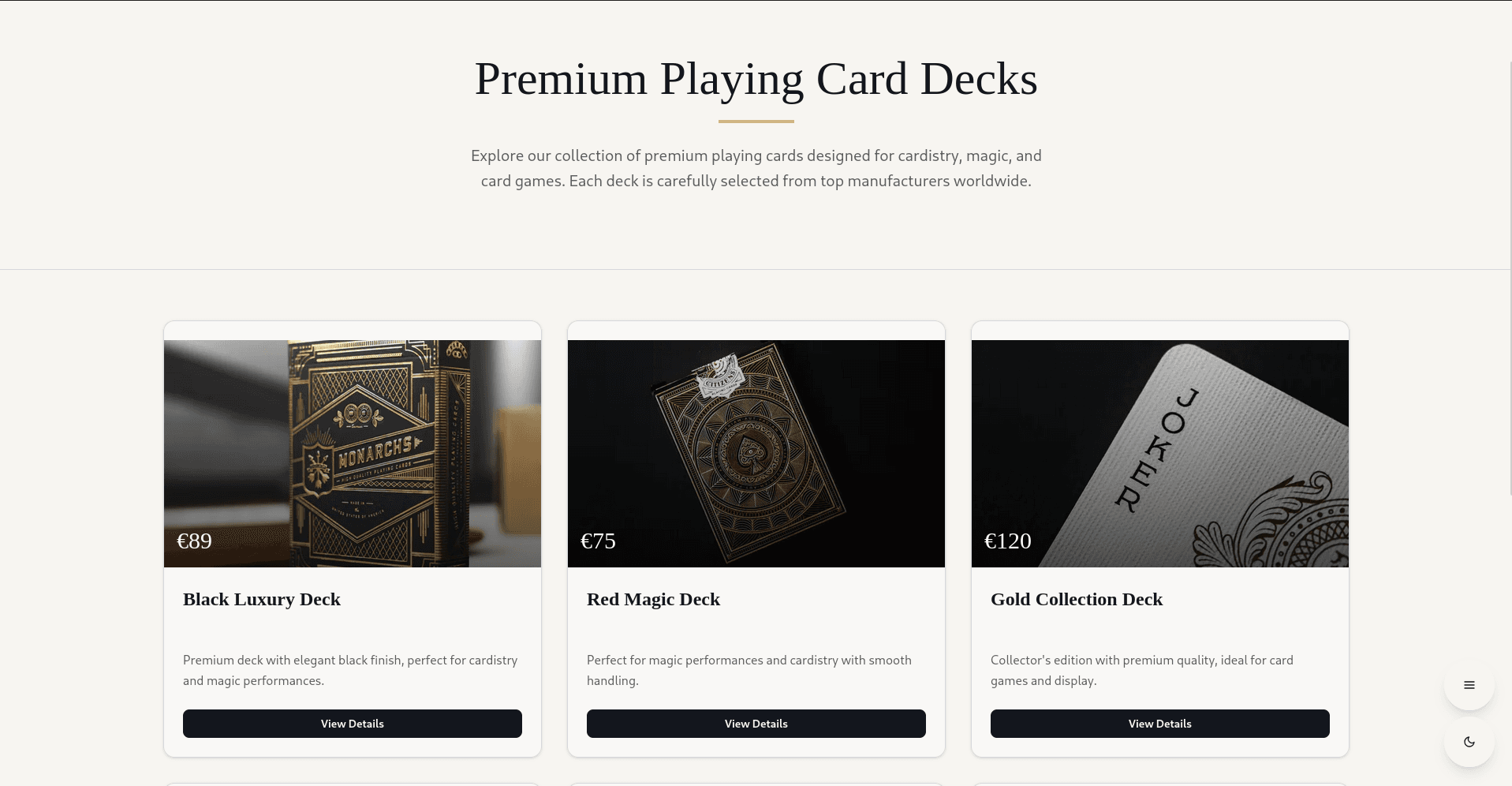
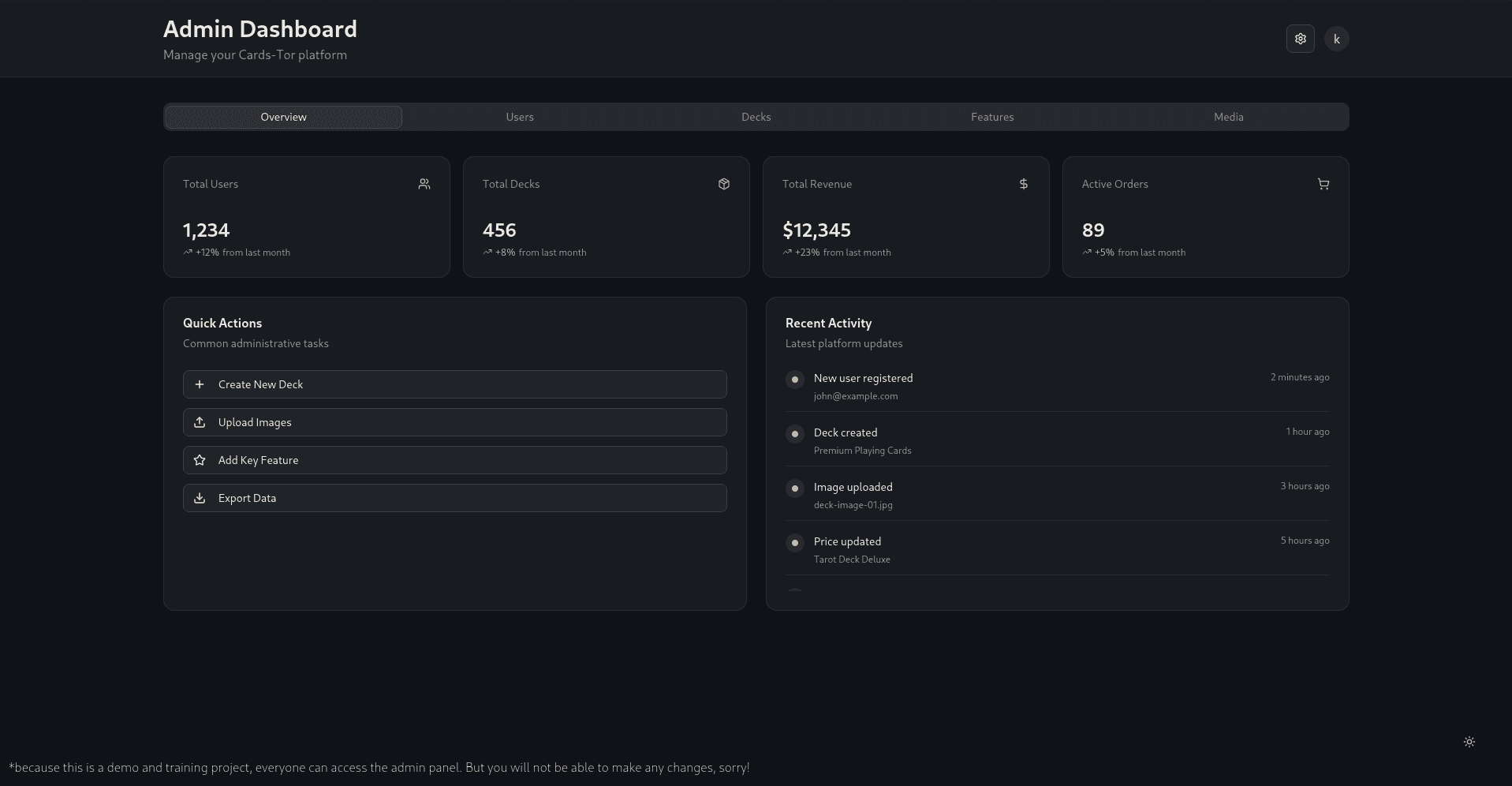
A modern deck marketplace built with Next.js and Elysia. It features user authentication, product listings, back office management, and a beautiful dark mode. The platform use Elysia directly from the api routes in Next.js, showcasing seamless integration between frontend and backend.
 GitHub
 Visit Site





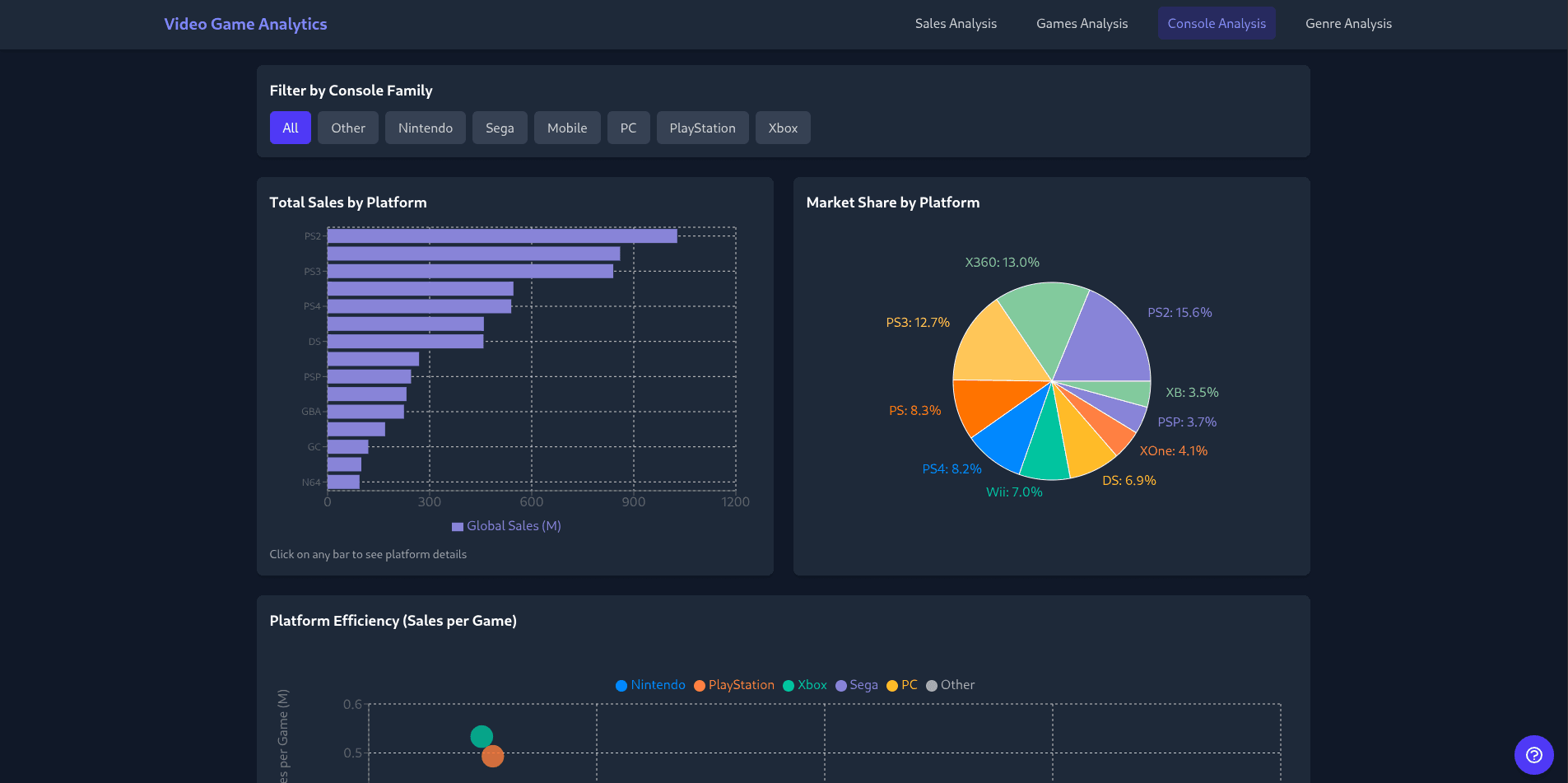
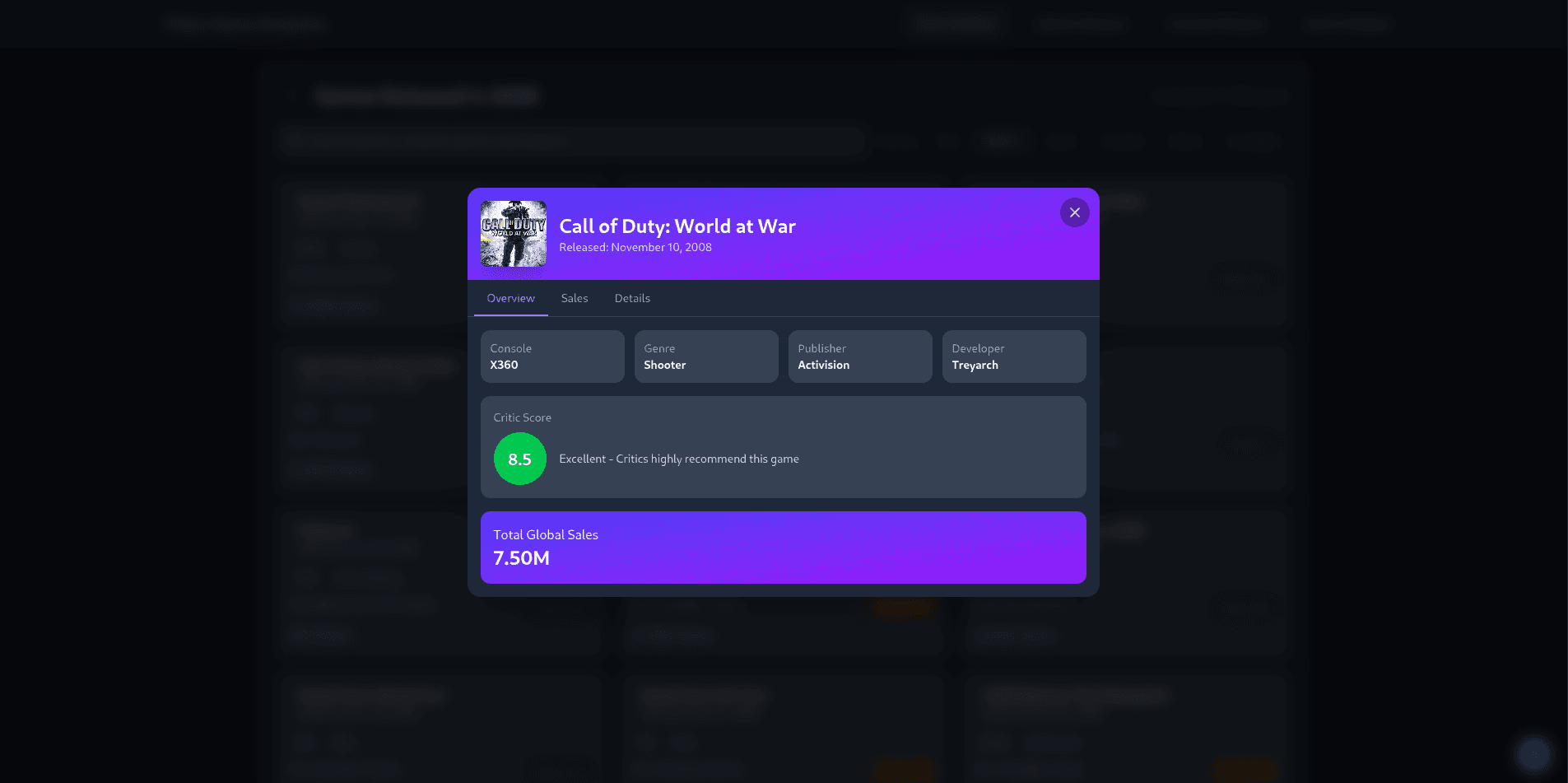
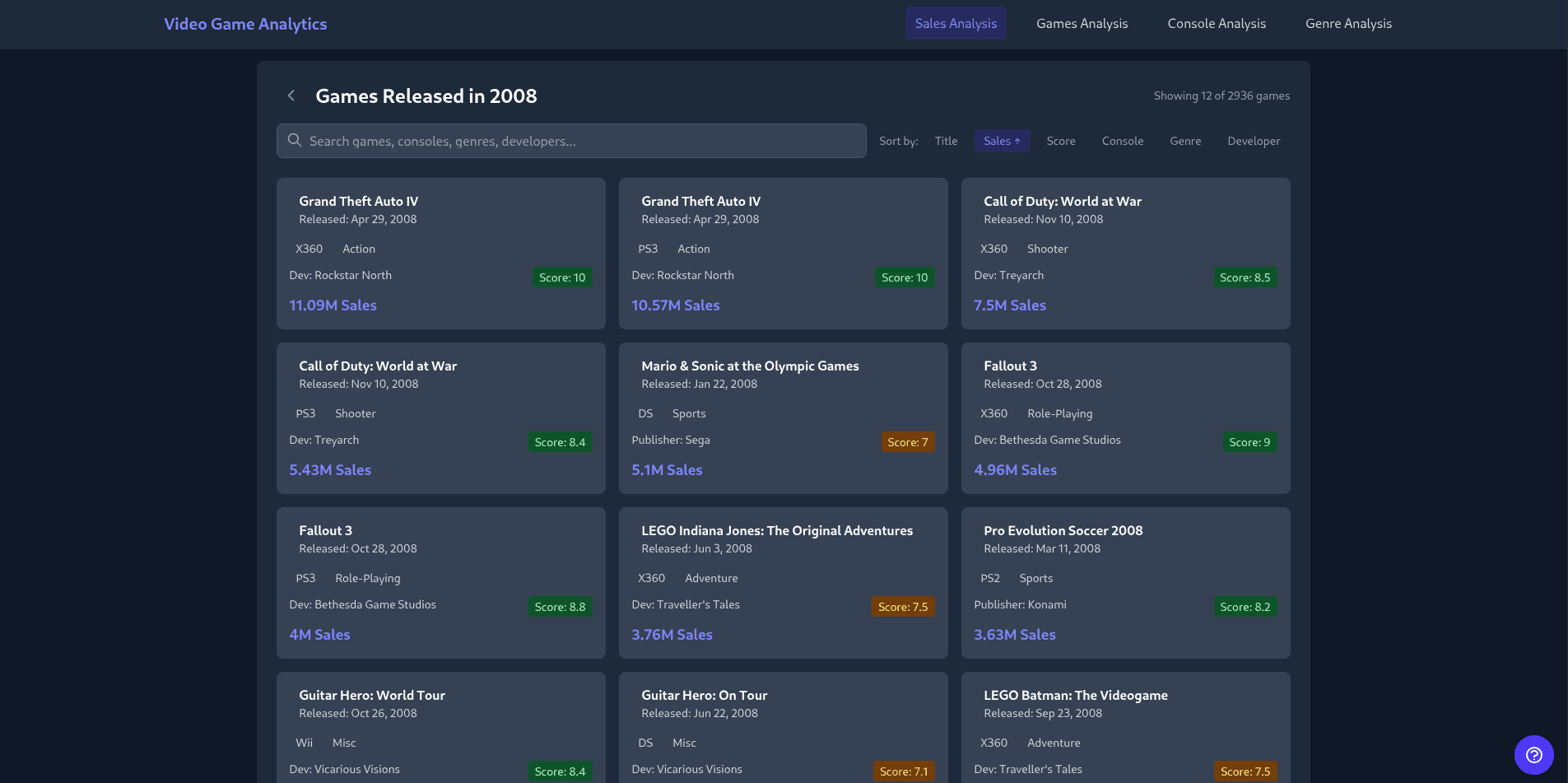
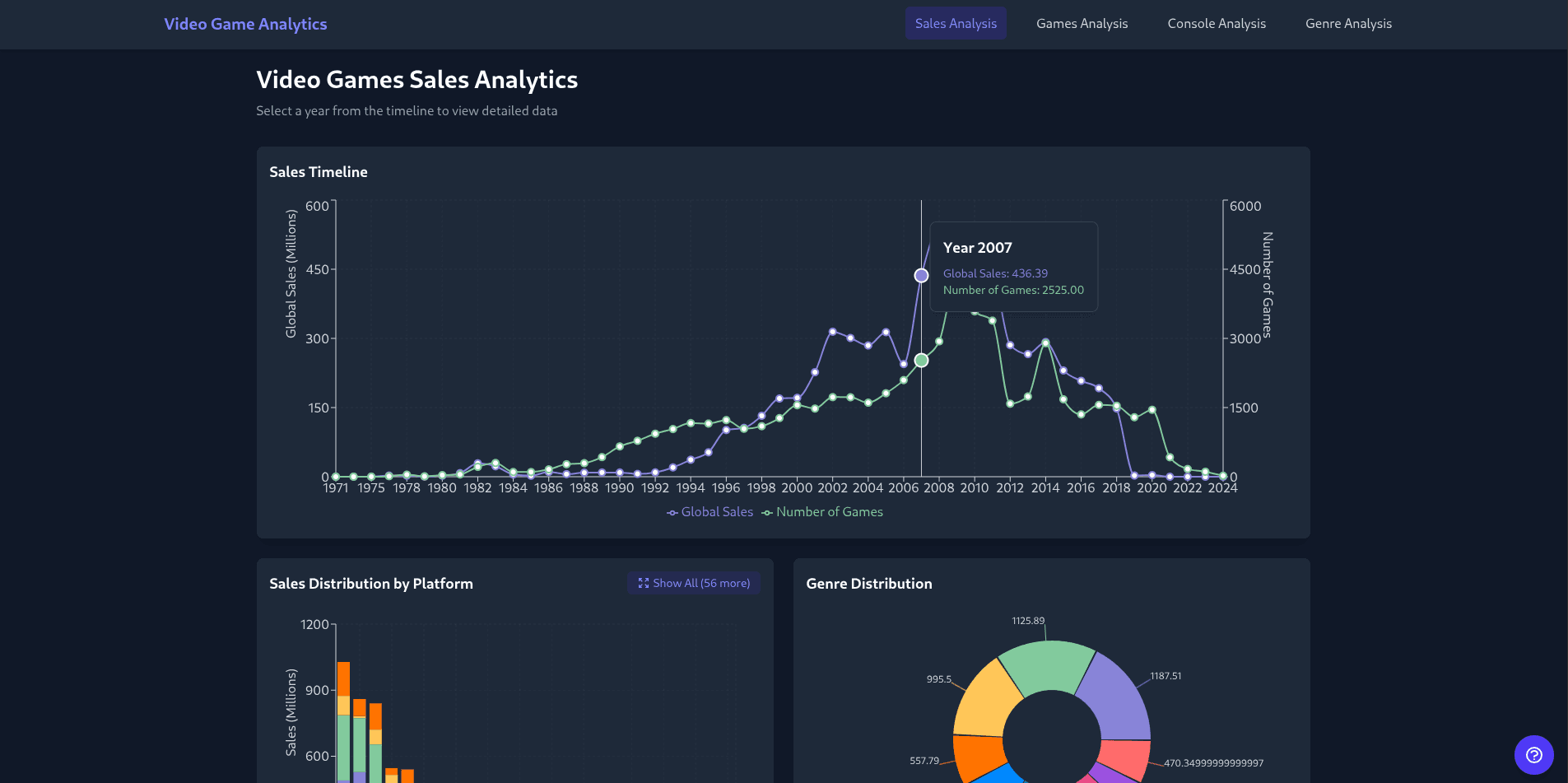
Video Games Sales Analytics
Web application for analyzing video game sales data
Video Games Sales Analytics is a web application built with React and .NET that leverages a Kaggle dataset containing video game sales statistics. The platform allows users to visualize data through interactive charts, perform searches, and explore trends in the video game market across regions, platforms, and genres. Key features include dynamic filtering, graphical insights, and data-driven exploration tools for better understanding of the gaming industry.






Phase
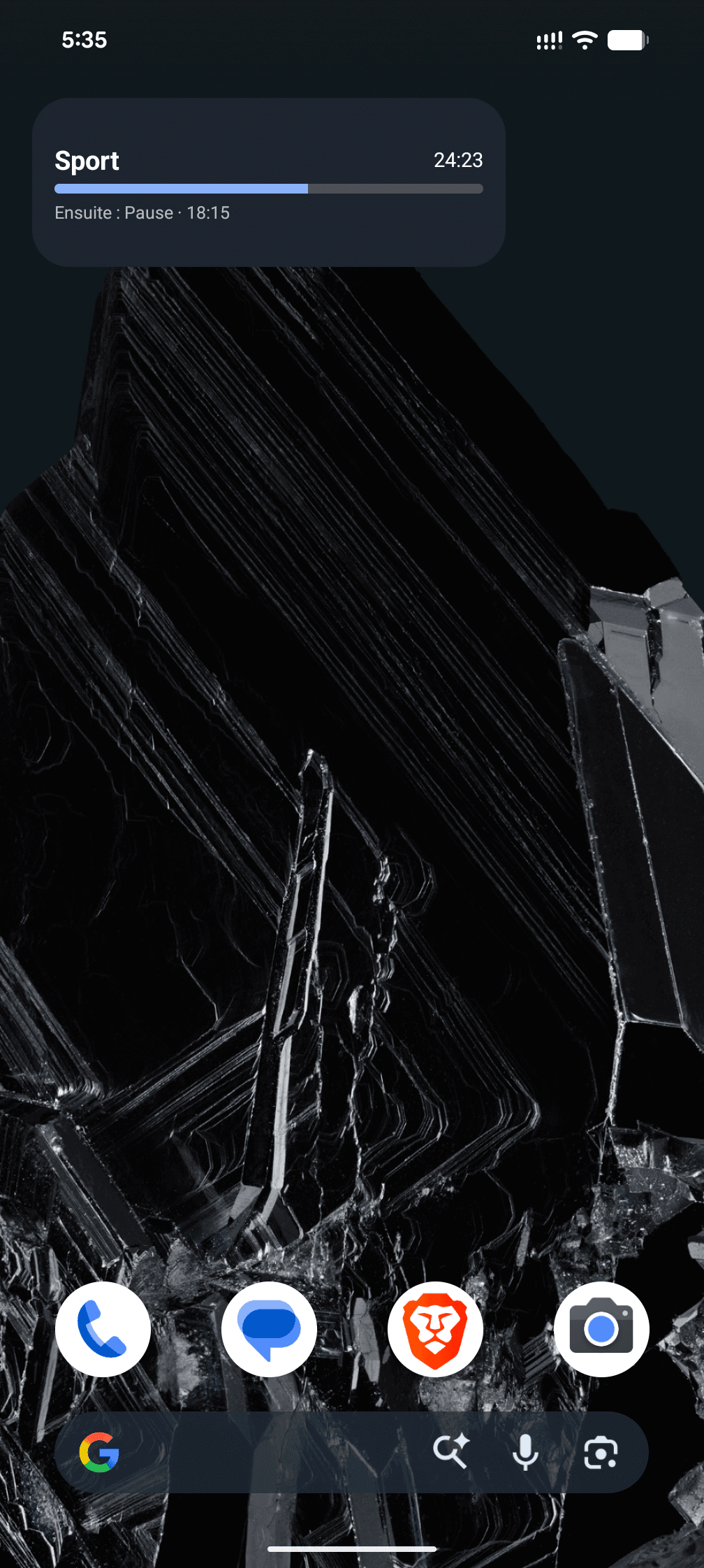
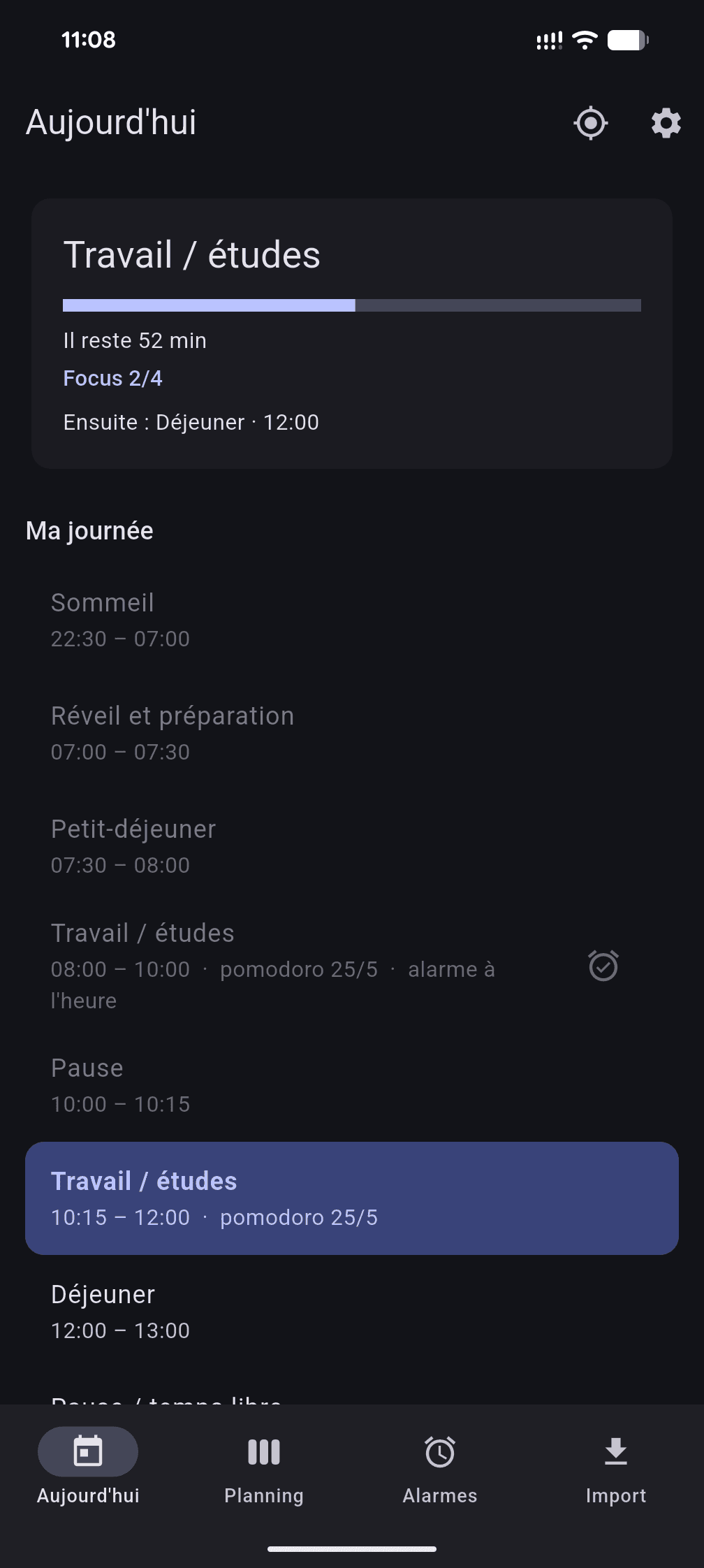
Android app that shows where you are in your day, right on your home screen
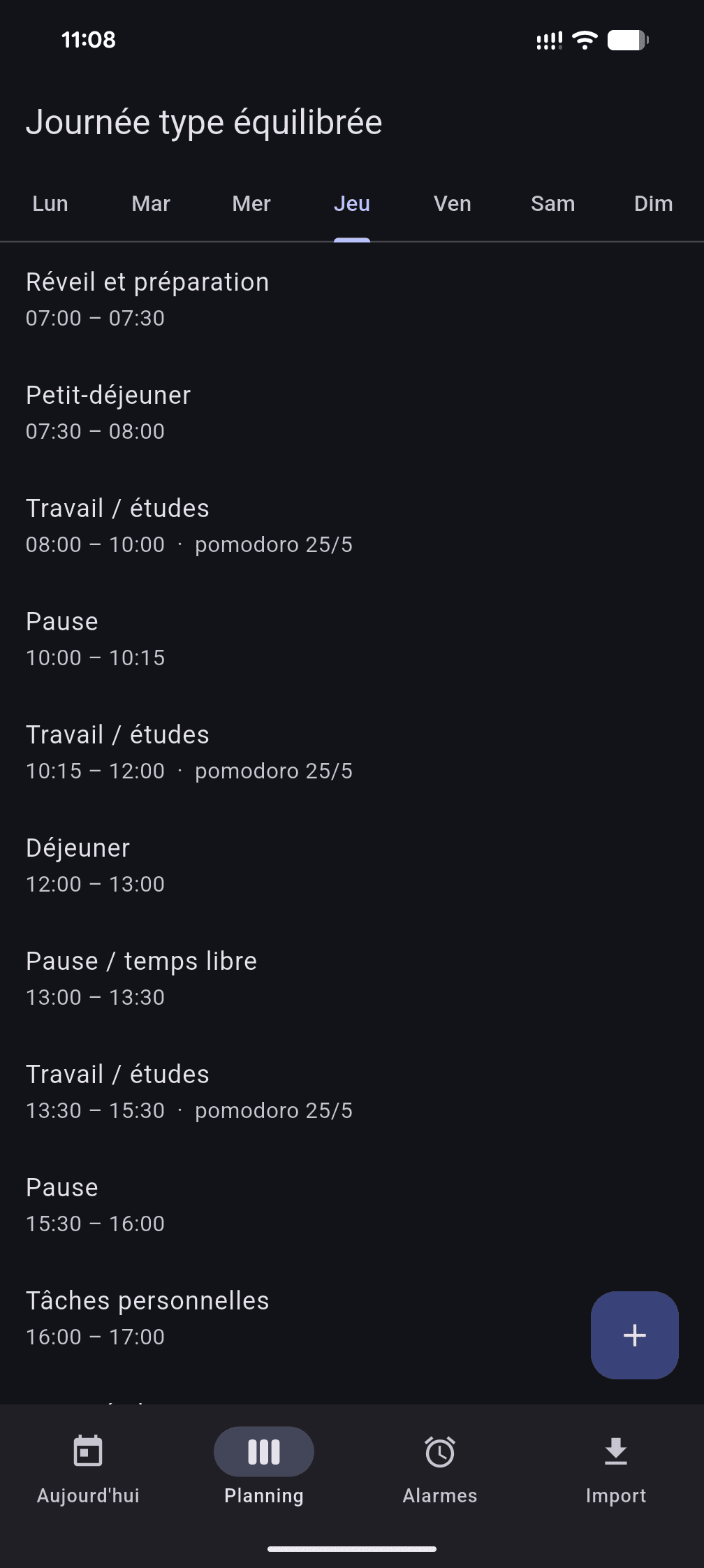
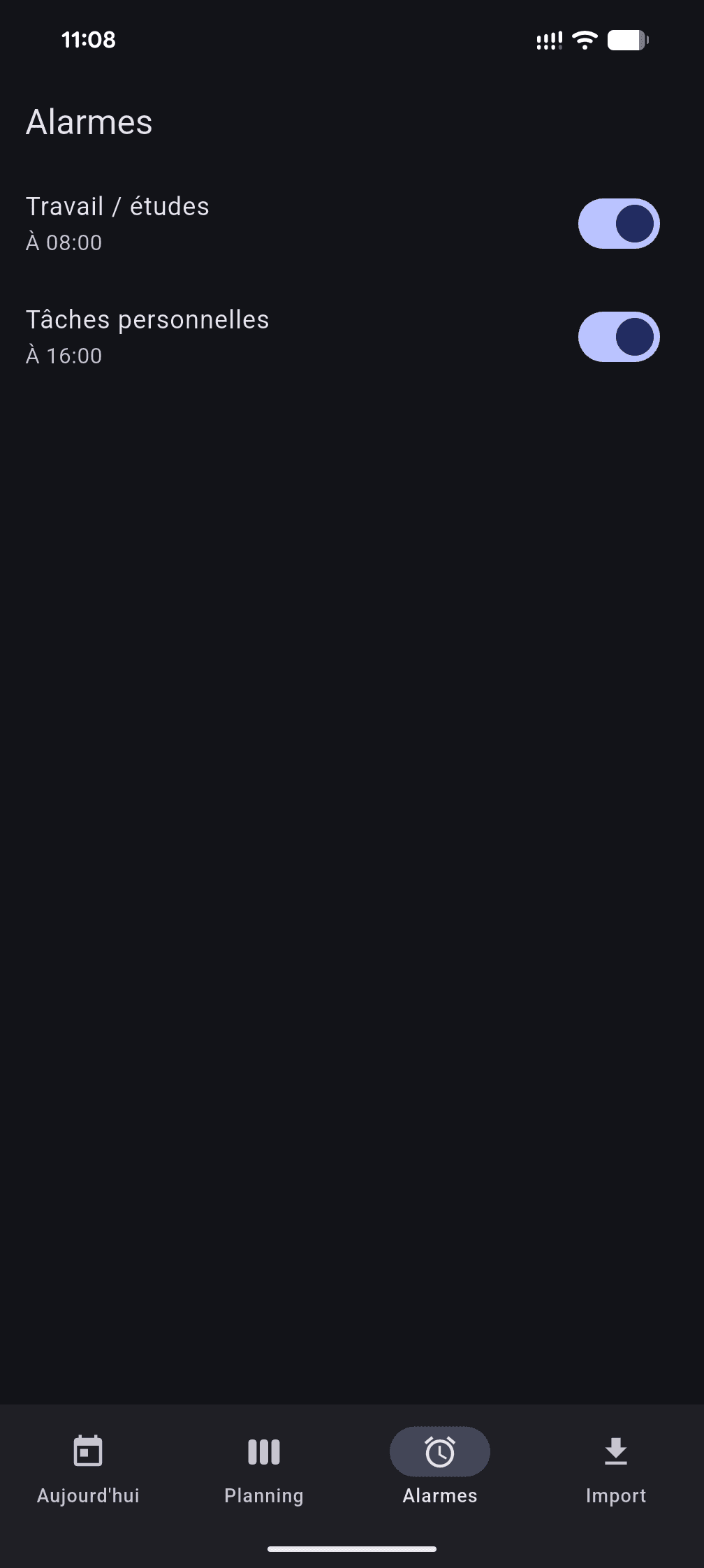
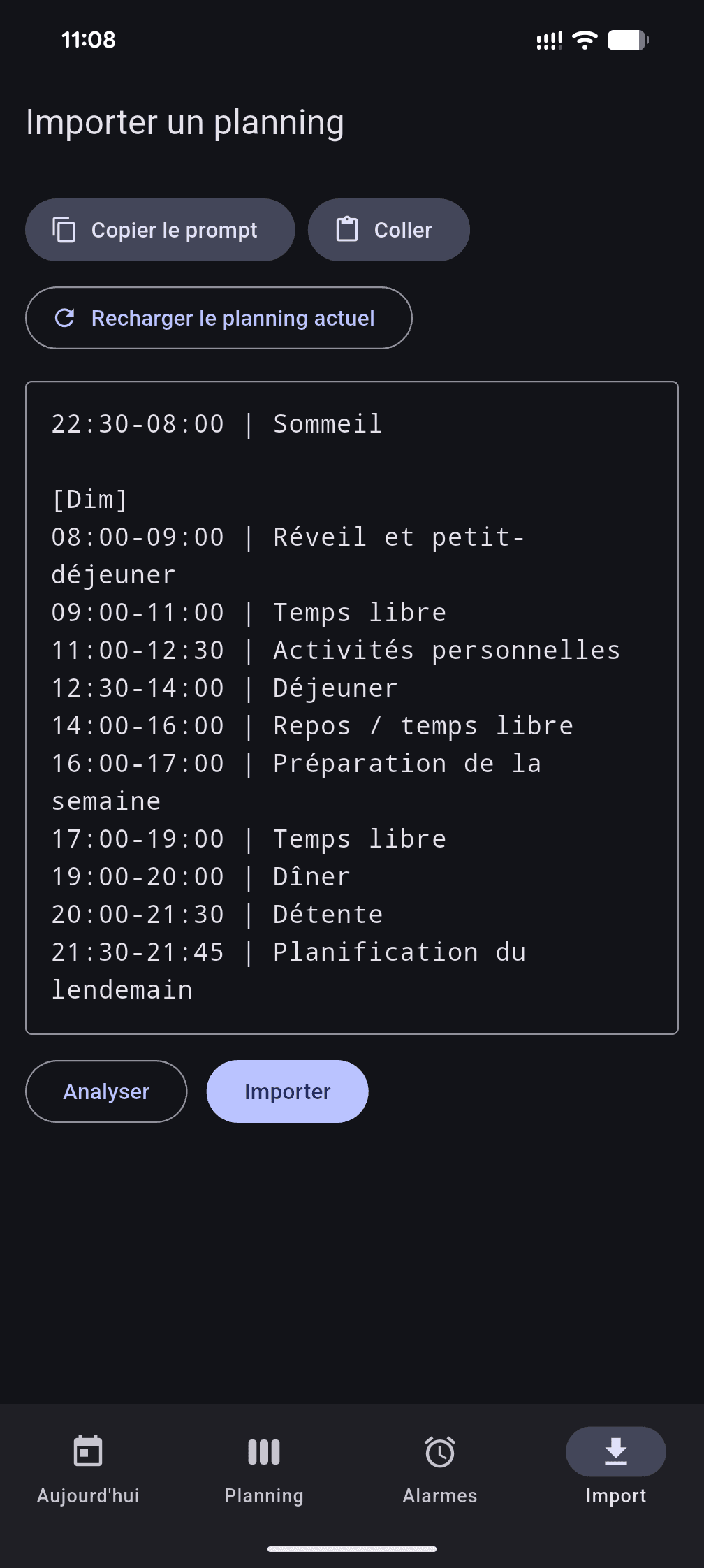
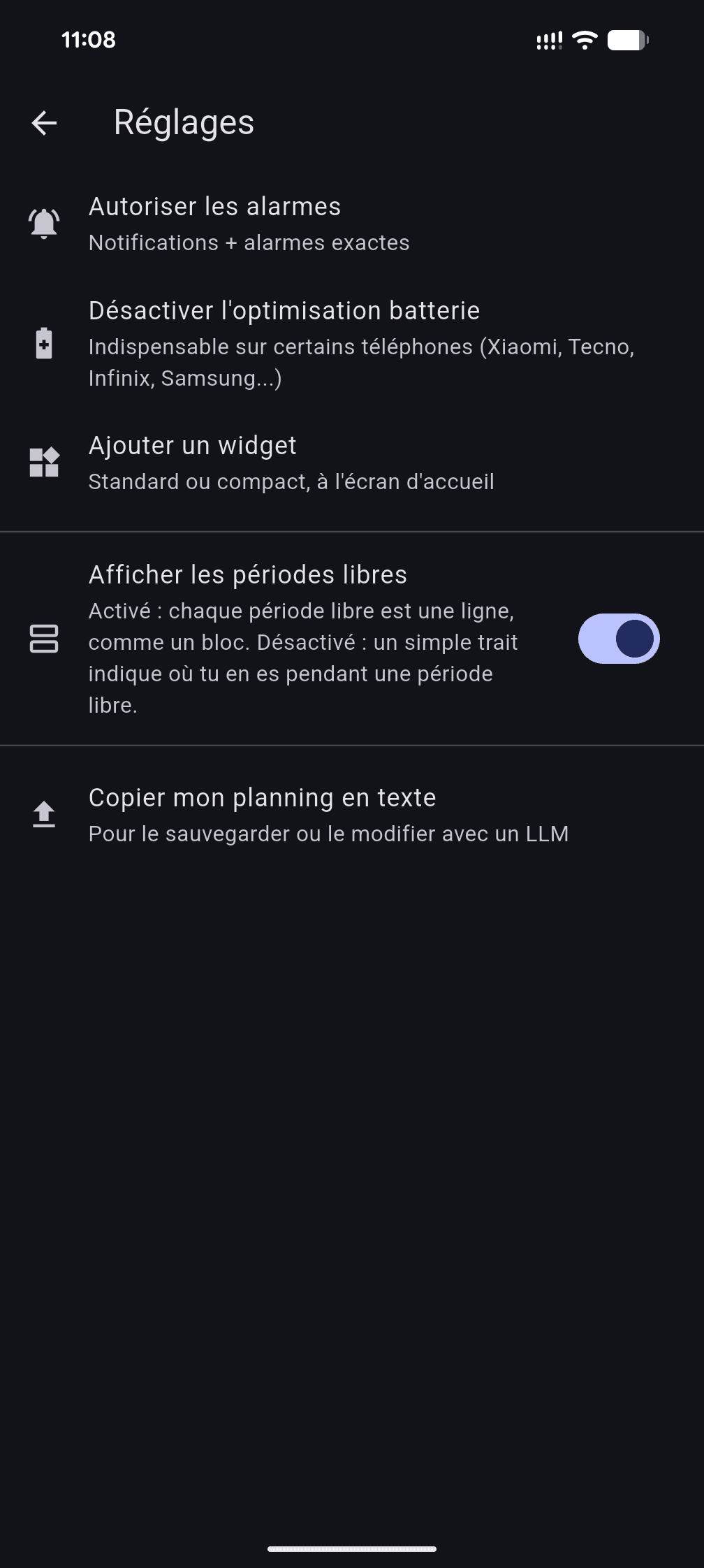
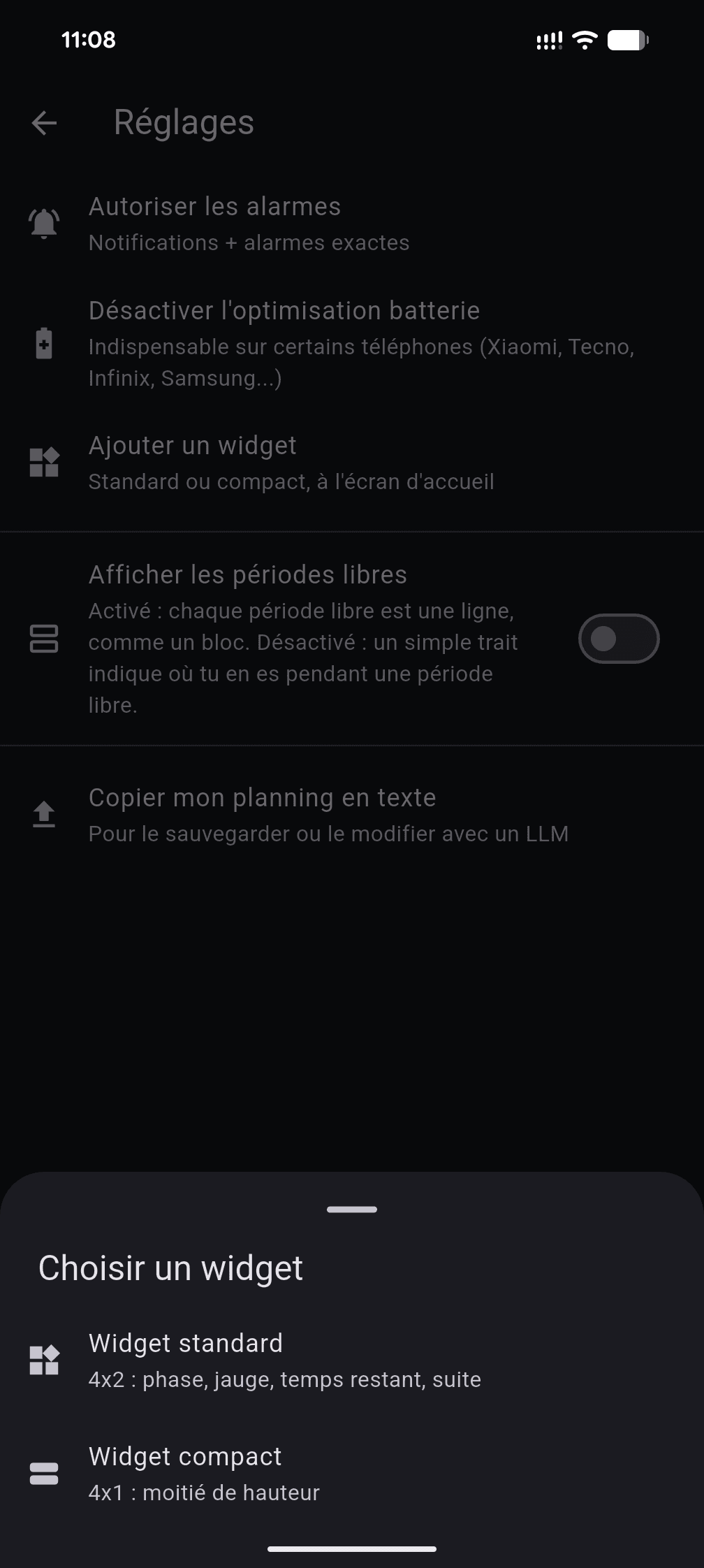
Phase is an Android app built with Flutter that turns a daily schedule of time blocks into a home screen widget. The widget shows the current phase, a progress gauge, a countdown and the next block, and follows the system's dynamic colors. Key features include schedule import from a simple text format that an LLM can generate, weekly alarms per block, and Pomodoro-style focus cycles.






Ta Lenta
Collaborative platform for learning and innovation
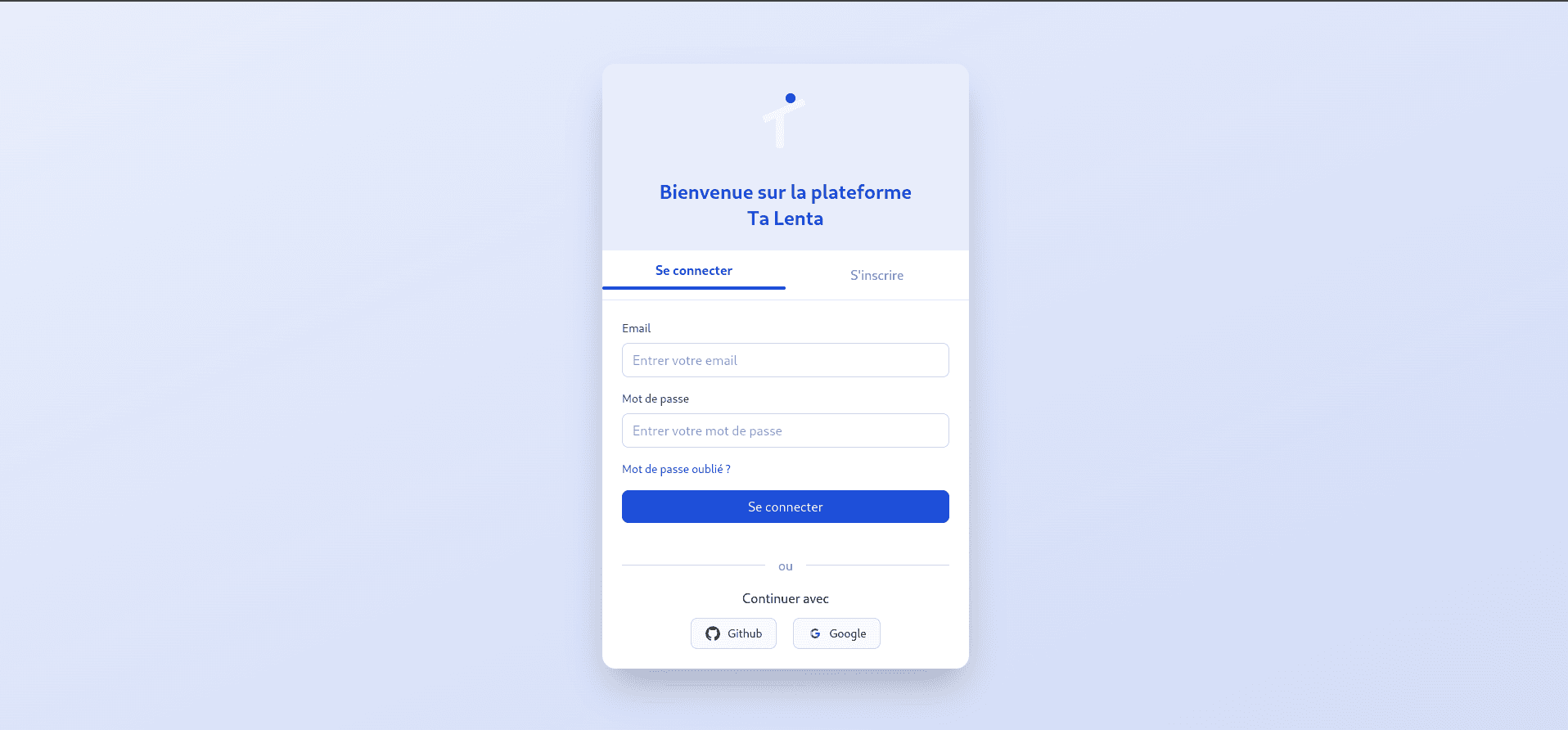
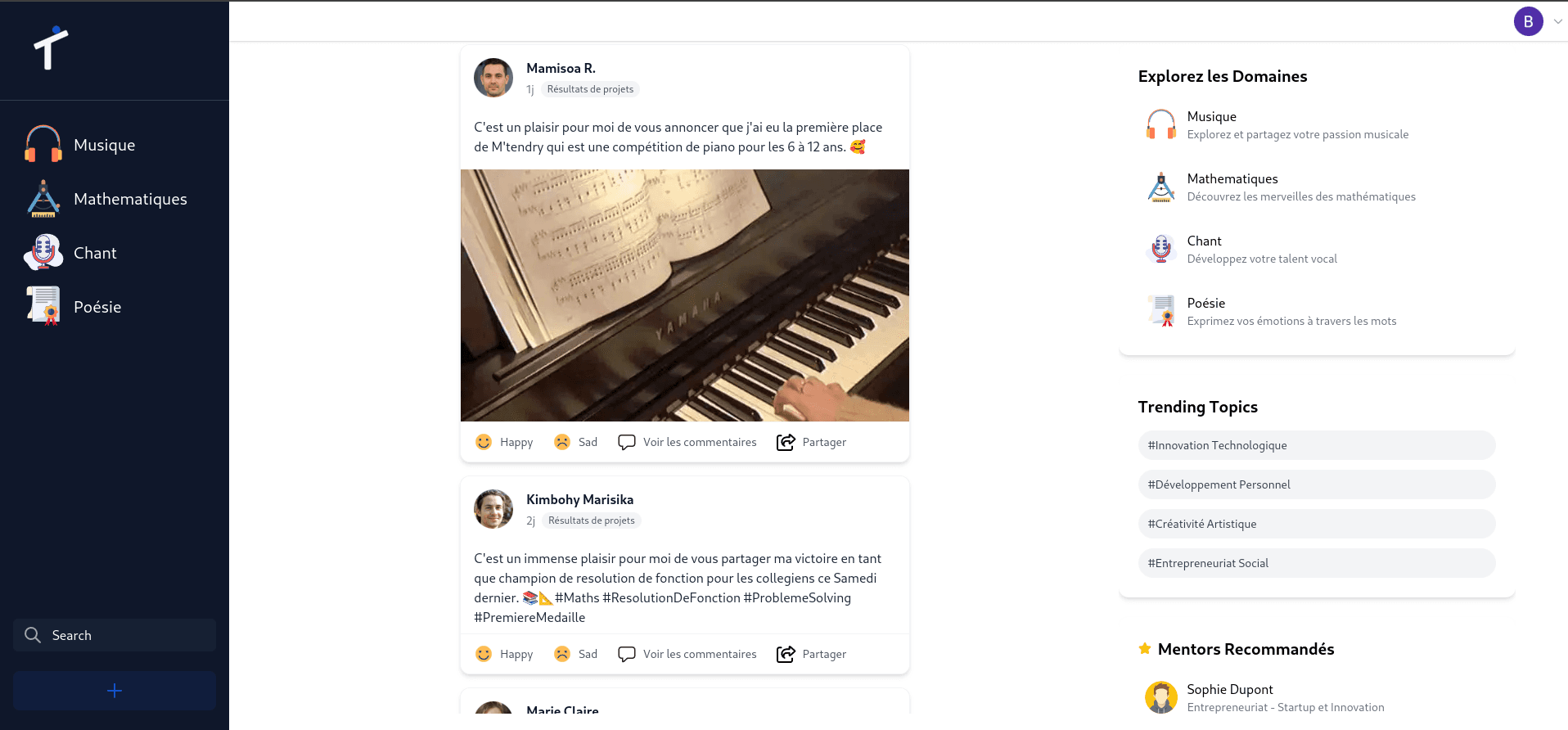
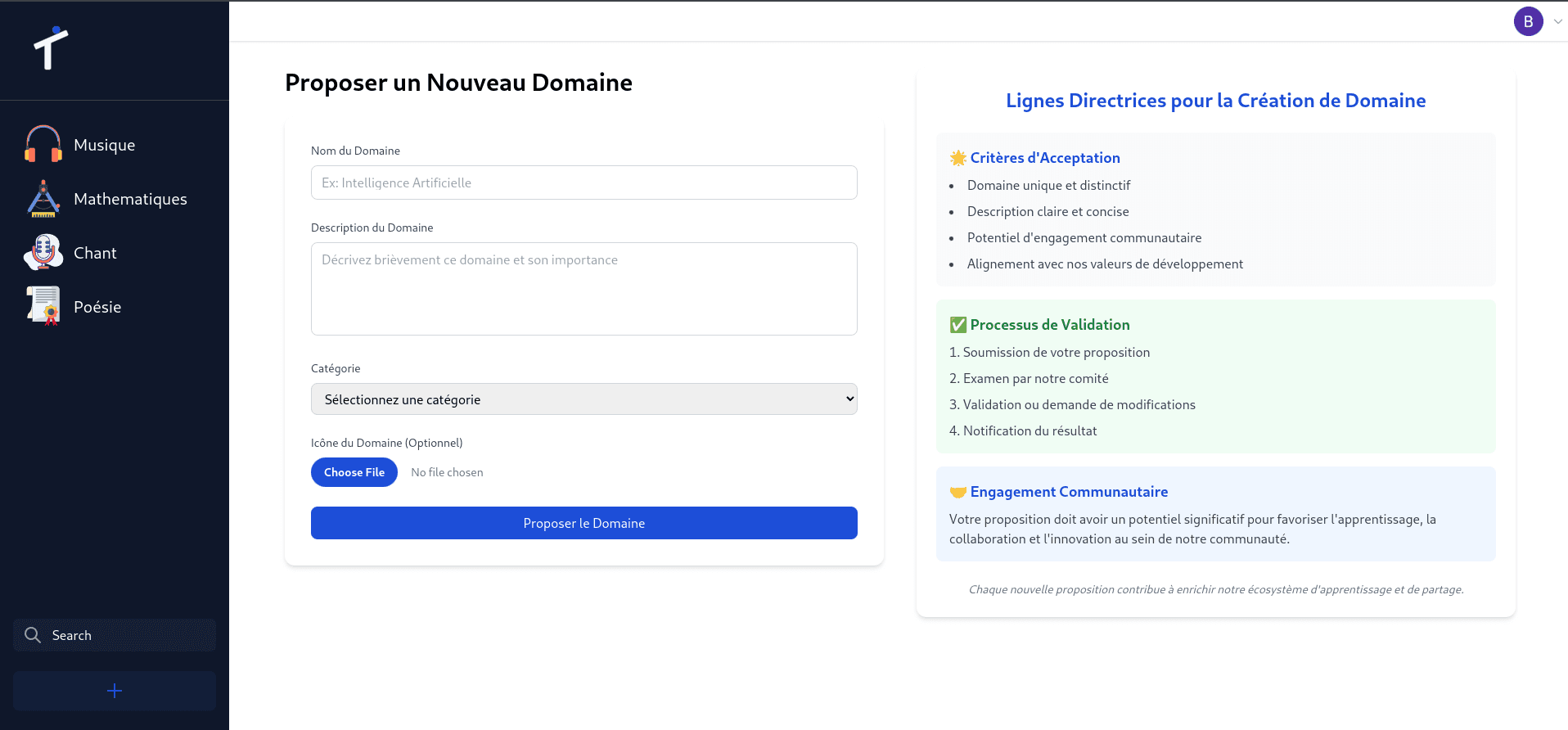
Ta Lenta is a collaborative platform designed to foster learning, innovation, and community engagement across various domains. It provides a space for users to share projects, learn new skills, and connect with like-minded individuals. Key capabilities include user authentication, domain creation, project sharing, collaborative interactions, notifications system, and profile management.


Rahona
Cloud gaming platform
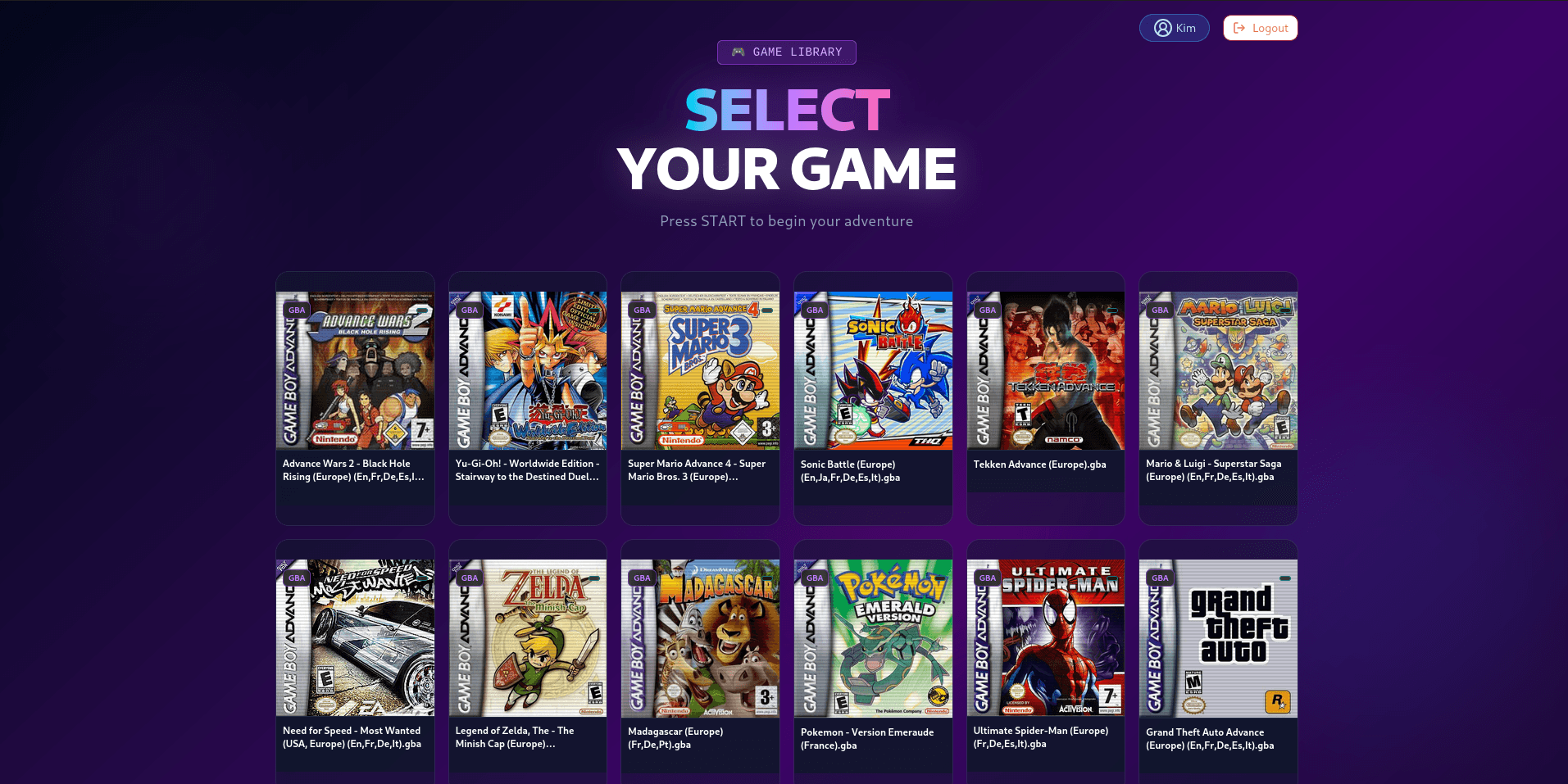
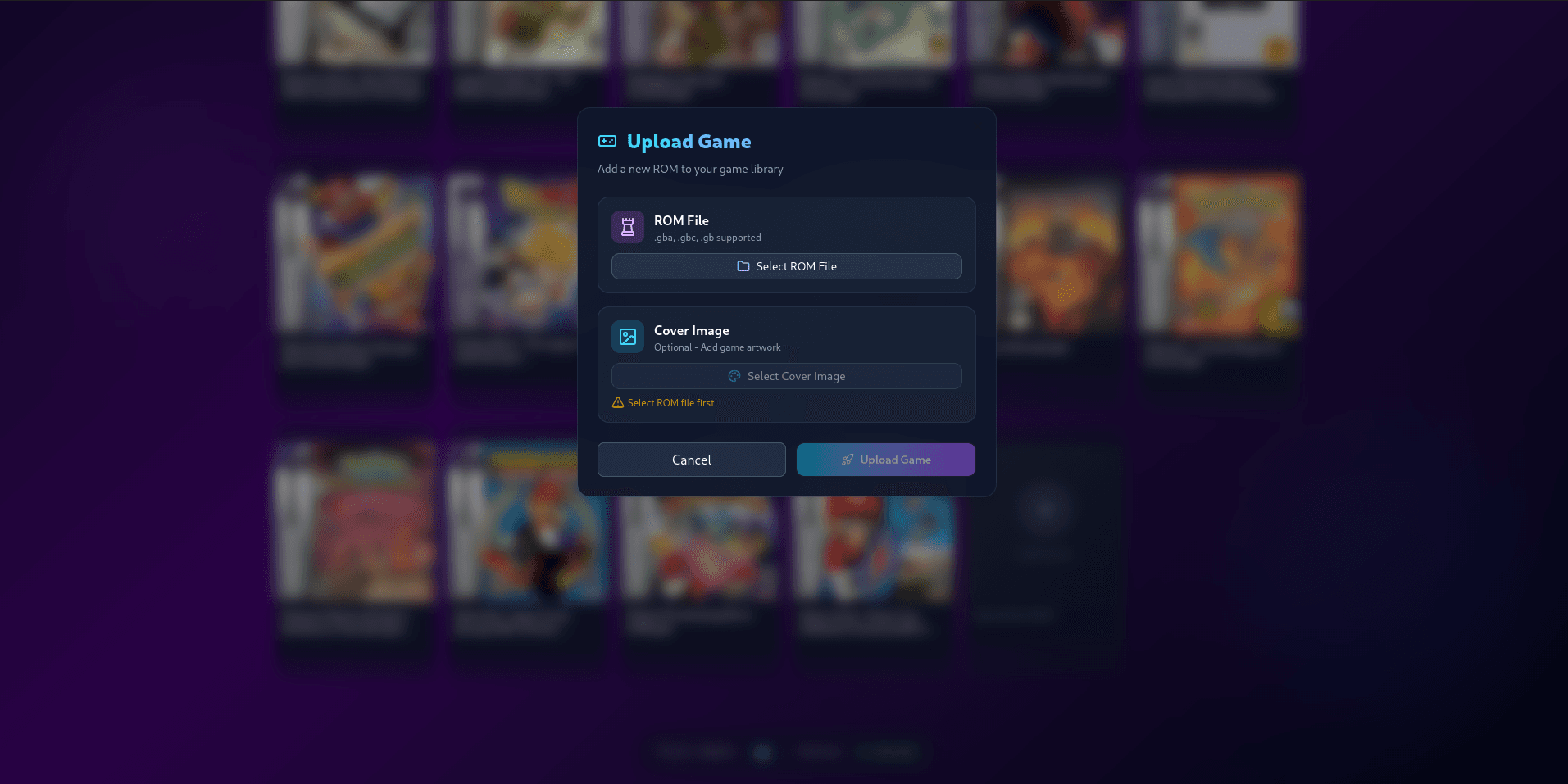
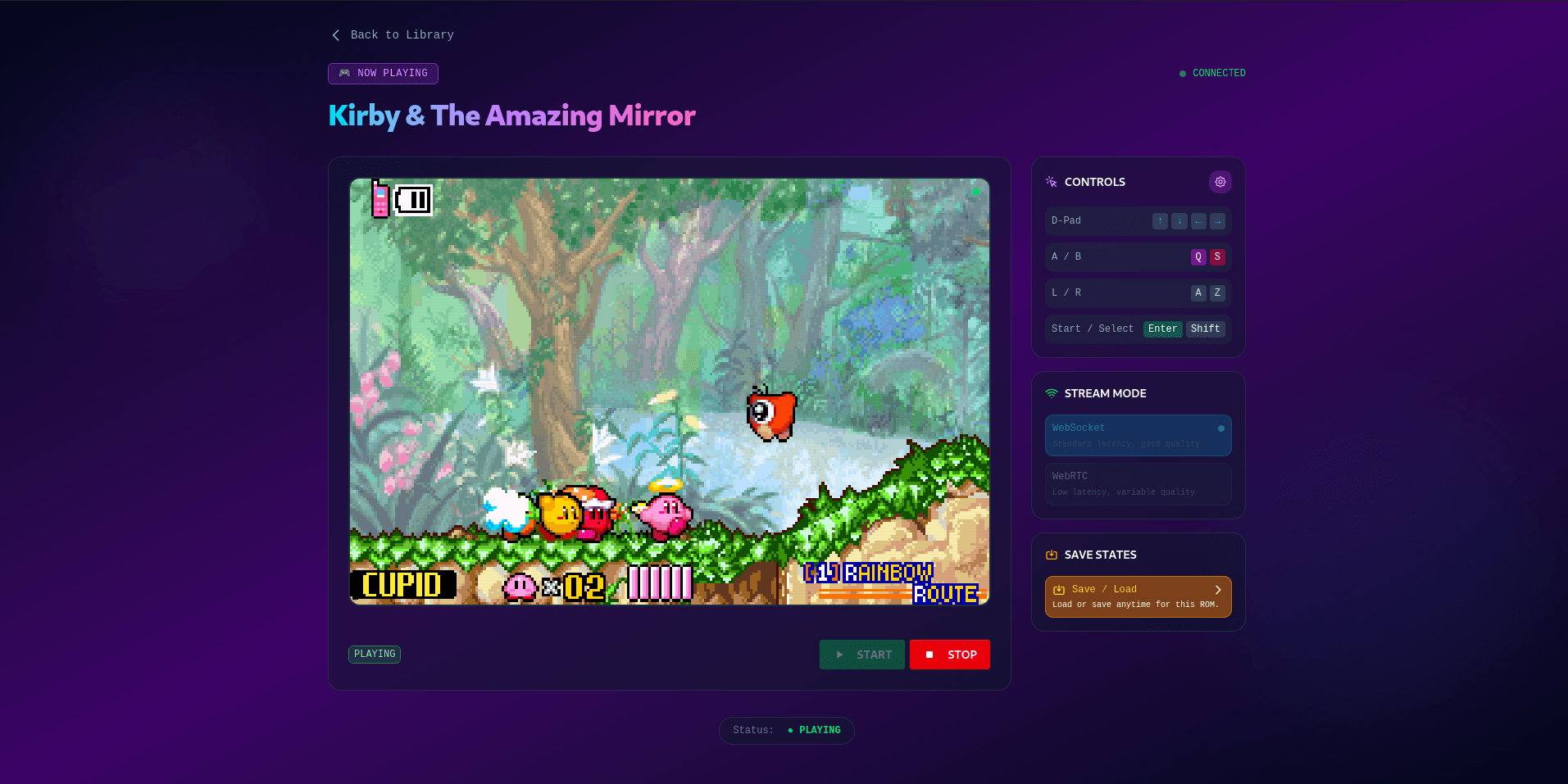
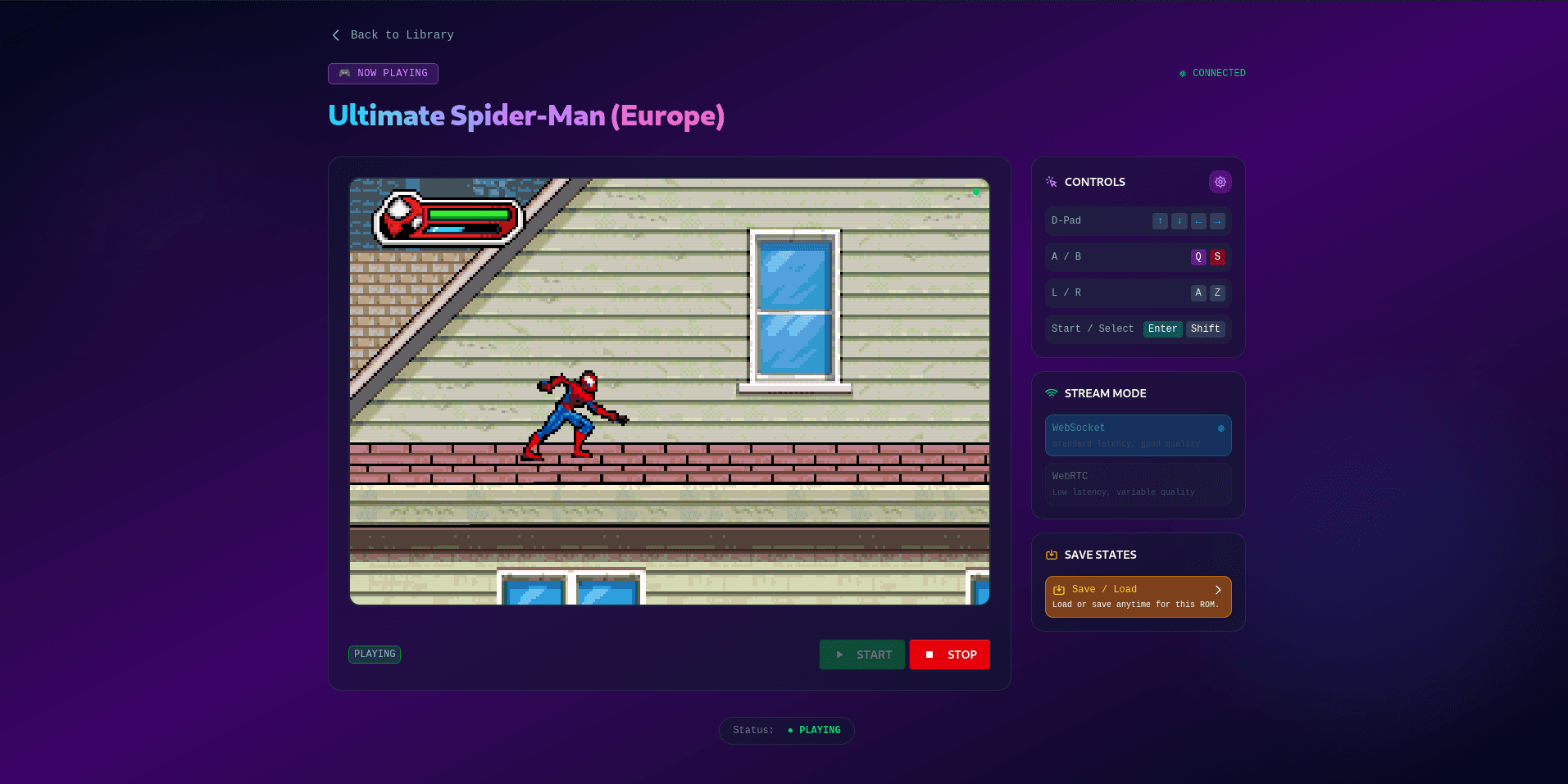
Rahona is a cloud gaming platform that allows users to stream and play video games directly from the cloud. The platform uses Libretro for game emulation, enabling users to access a wide range of games without the need for high-end hardware. Key features include user authentication, game library management, real-time playing,command mapping, and game state saving.



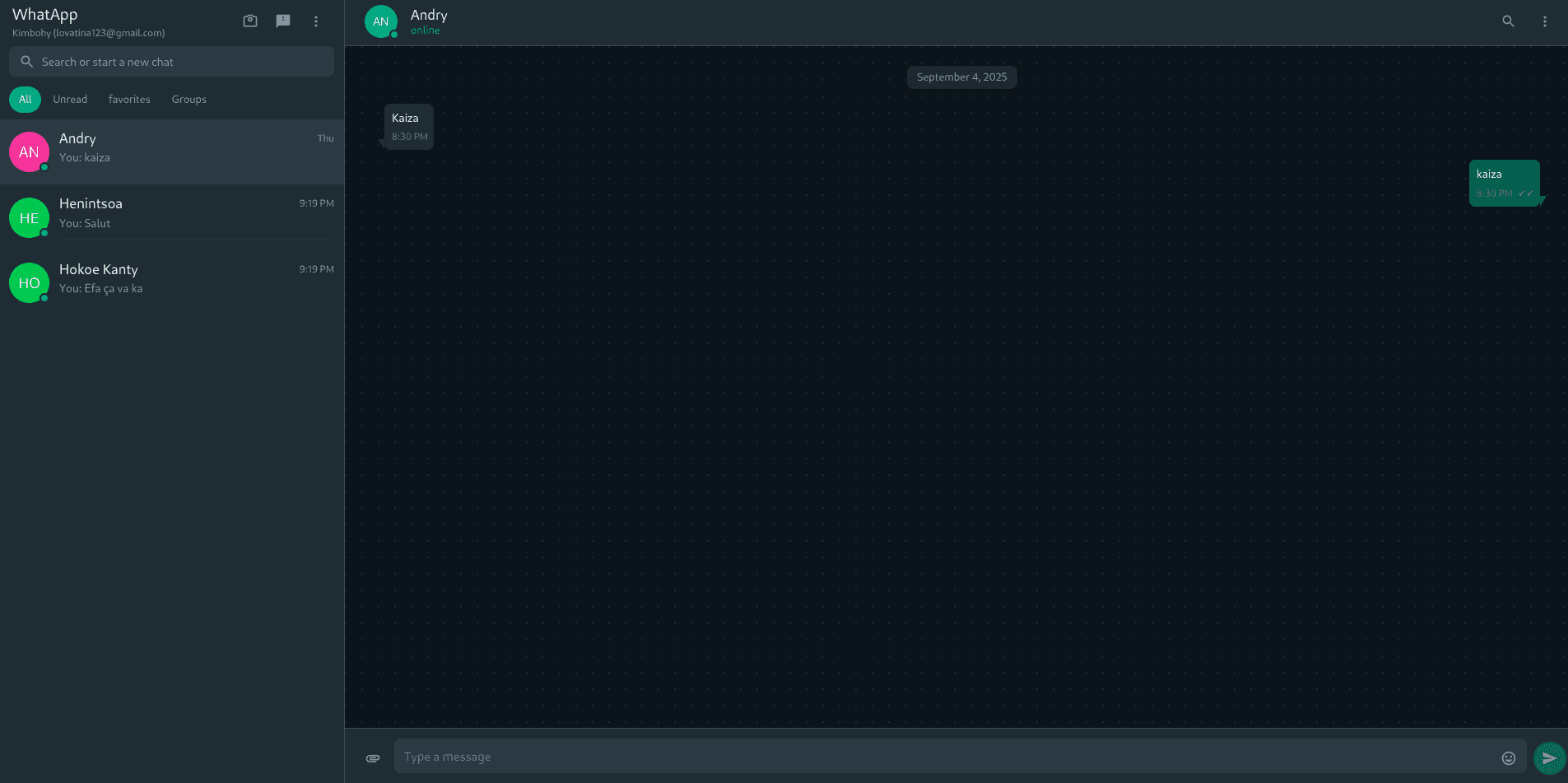
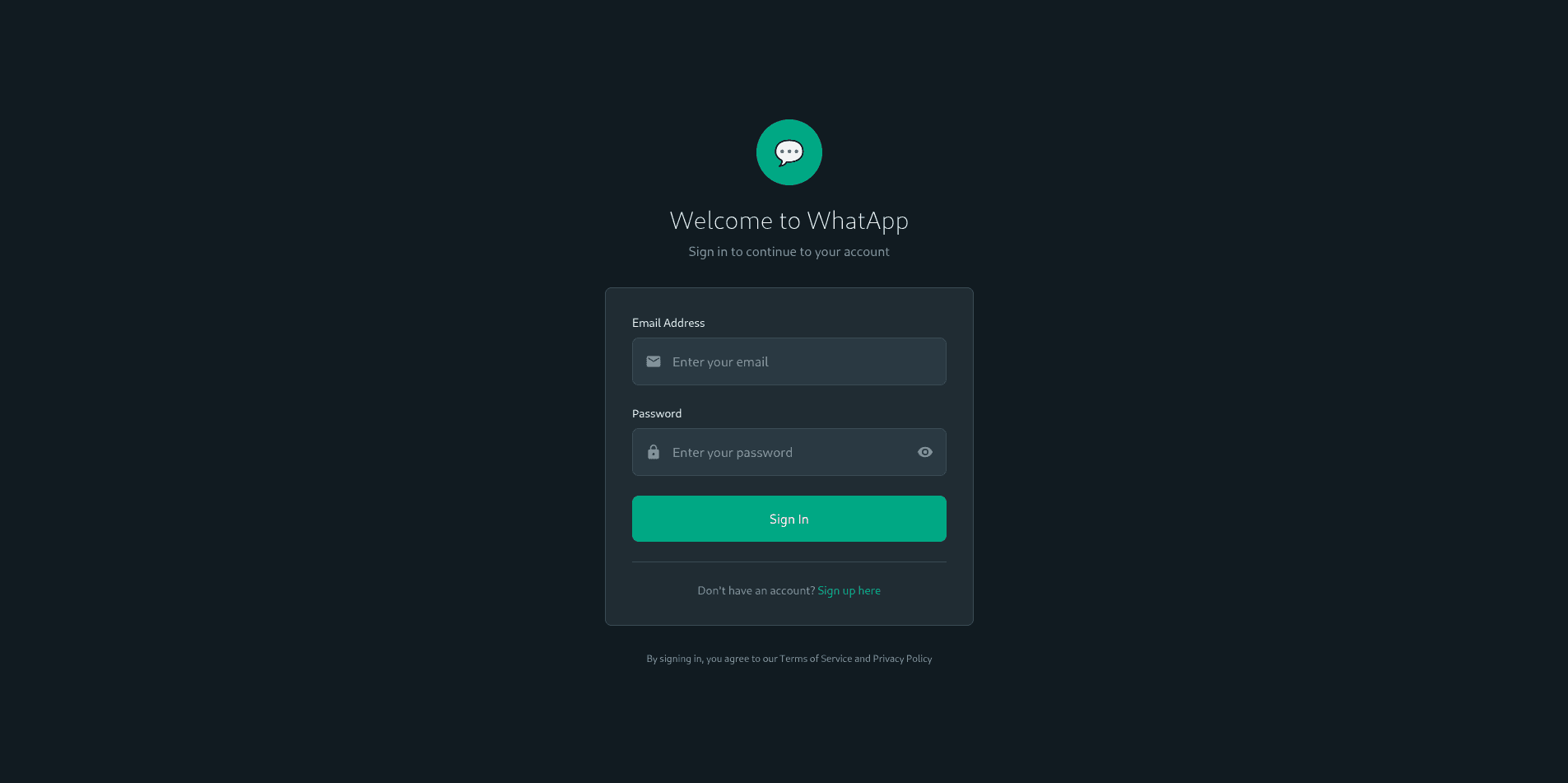
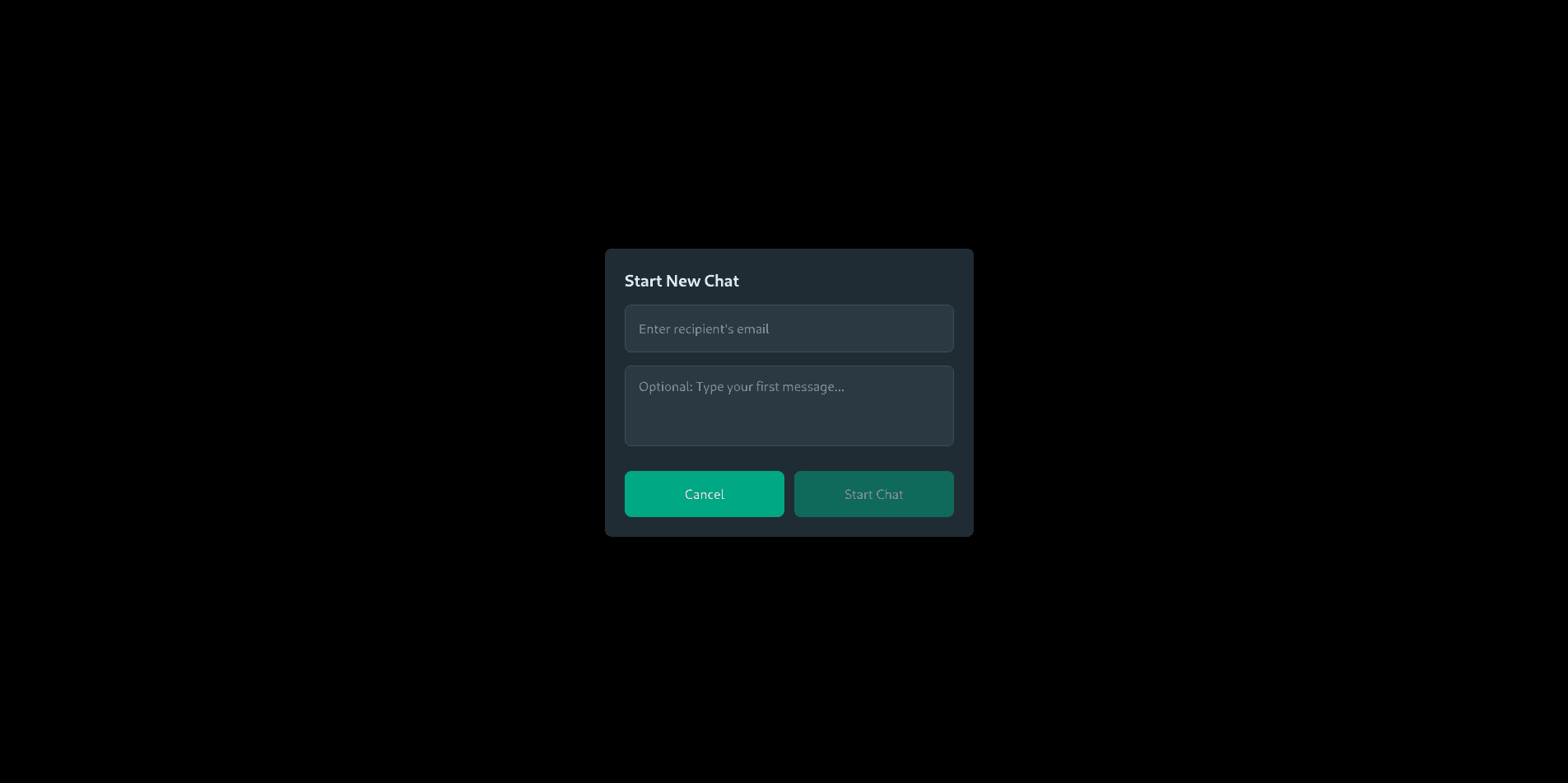
Whatapp
Real-time messaging application
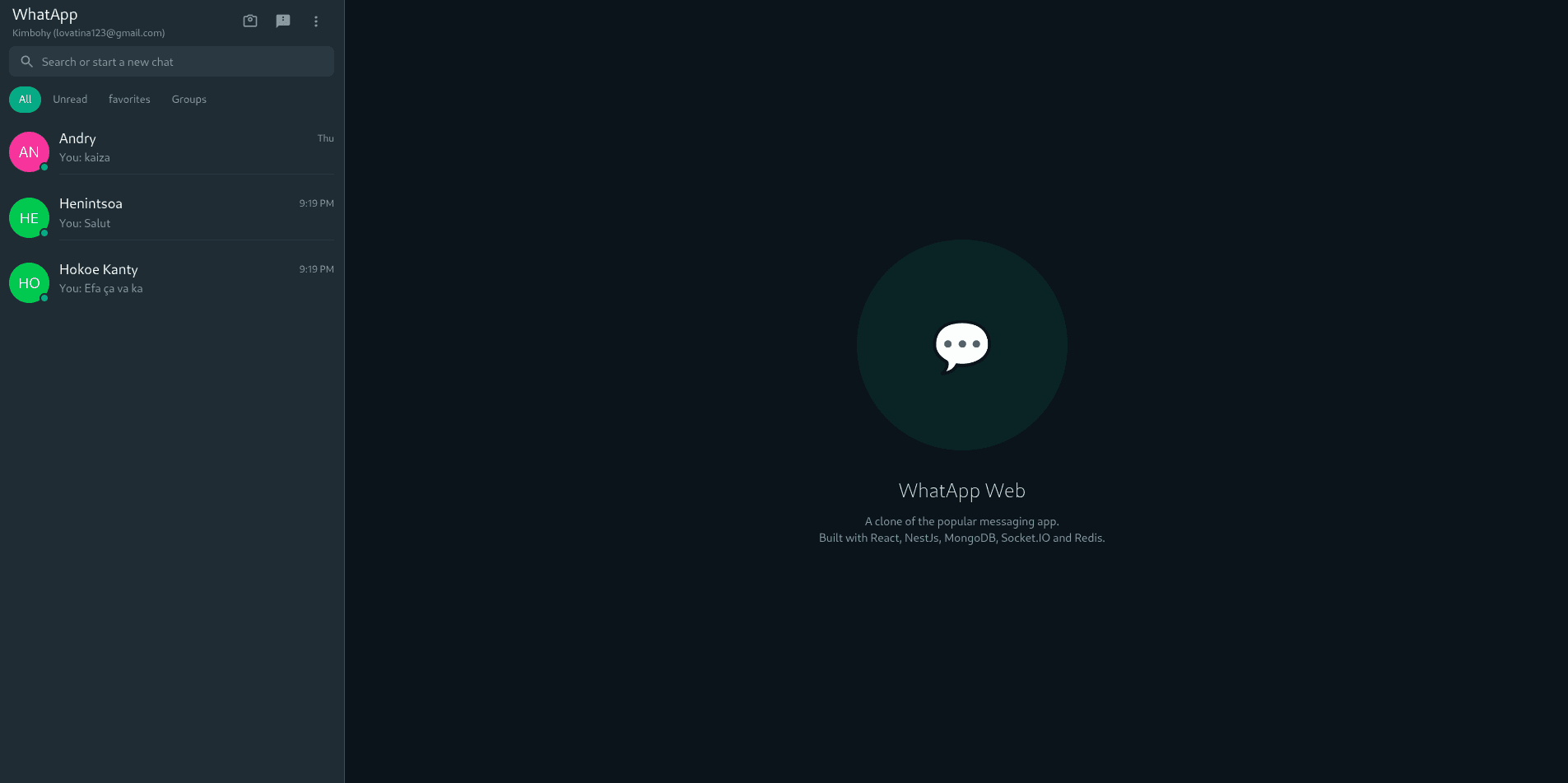
Whatapp is a real-time messaging platform inspired by WhatsApp, built with React and NestJS. It integrates MongoDB for data storage and Redis for caching, while leveraging Socket.io for real-time communication. The application provides user authentication, chat creation, message exchange, and live updates, offering a practical learning experience in scalable backend architecture and modern frontend development.


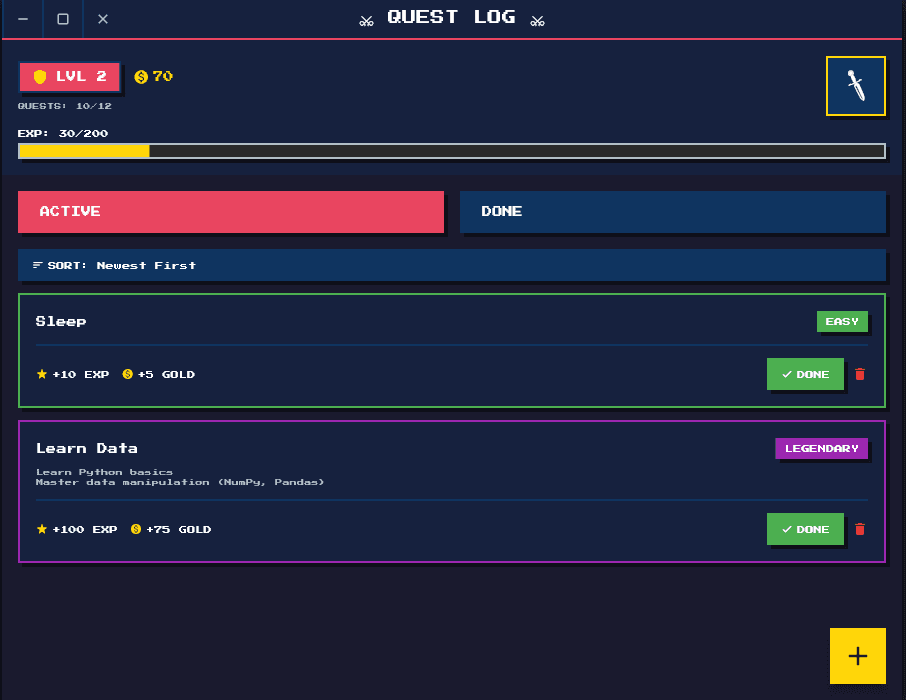
DoQuest
A gamified todo app with a retro 8-bit RPG theme
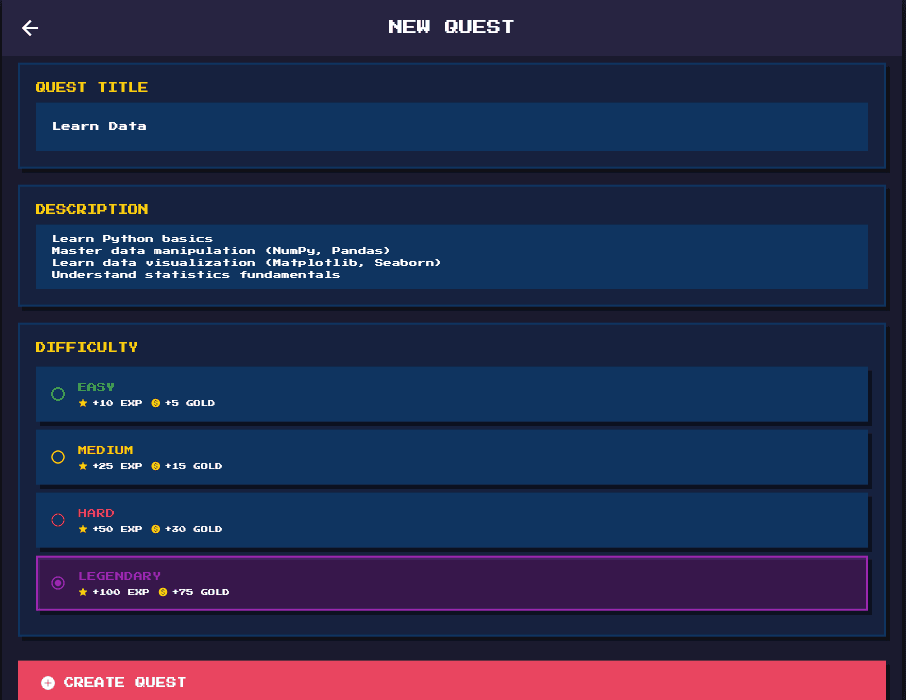
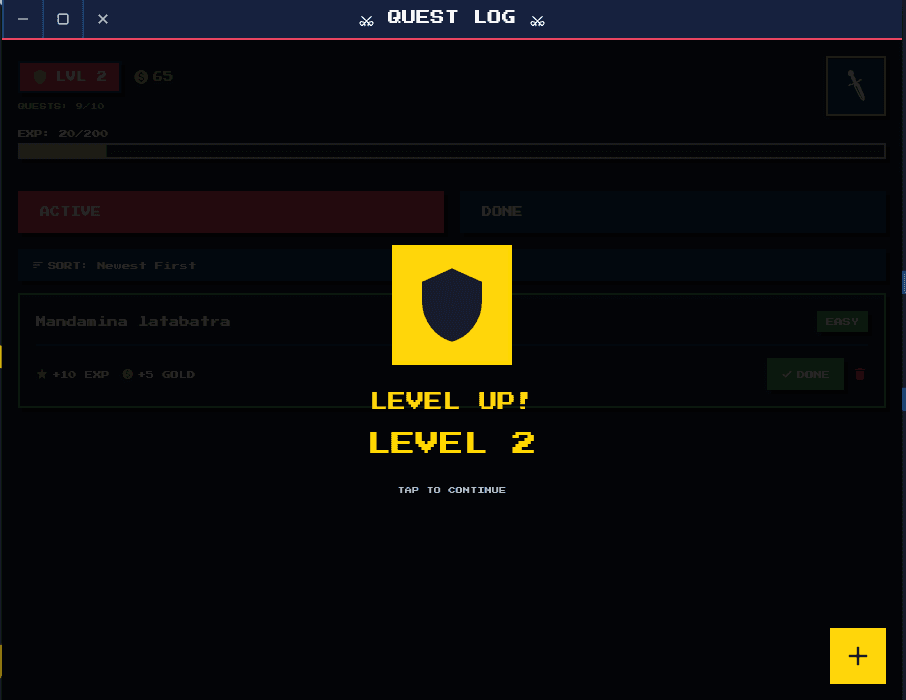
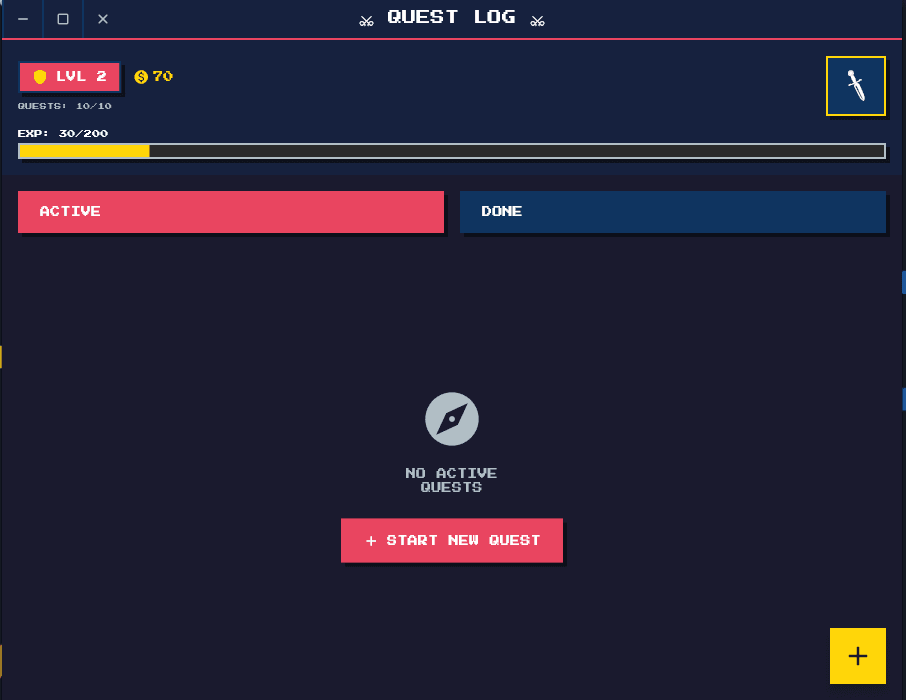
DoQuest is a gamified todo app where users complete tasks as RPG-style quests. Each quest rewards EXP and gold, allowing players to level up and track their progress. Built with Flutter and Riverpod using clean architecture, it features a pixel-art UI, smooth animations, and local data persistence.
Lumos
AI-powered smart home automation system
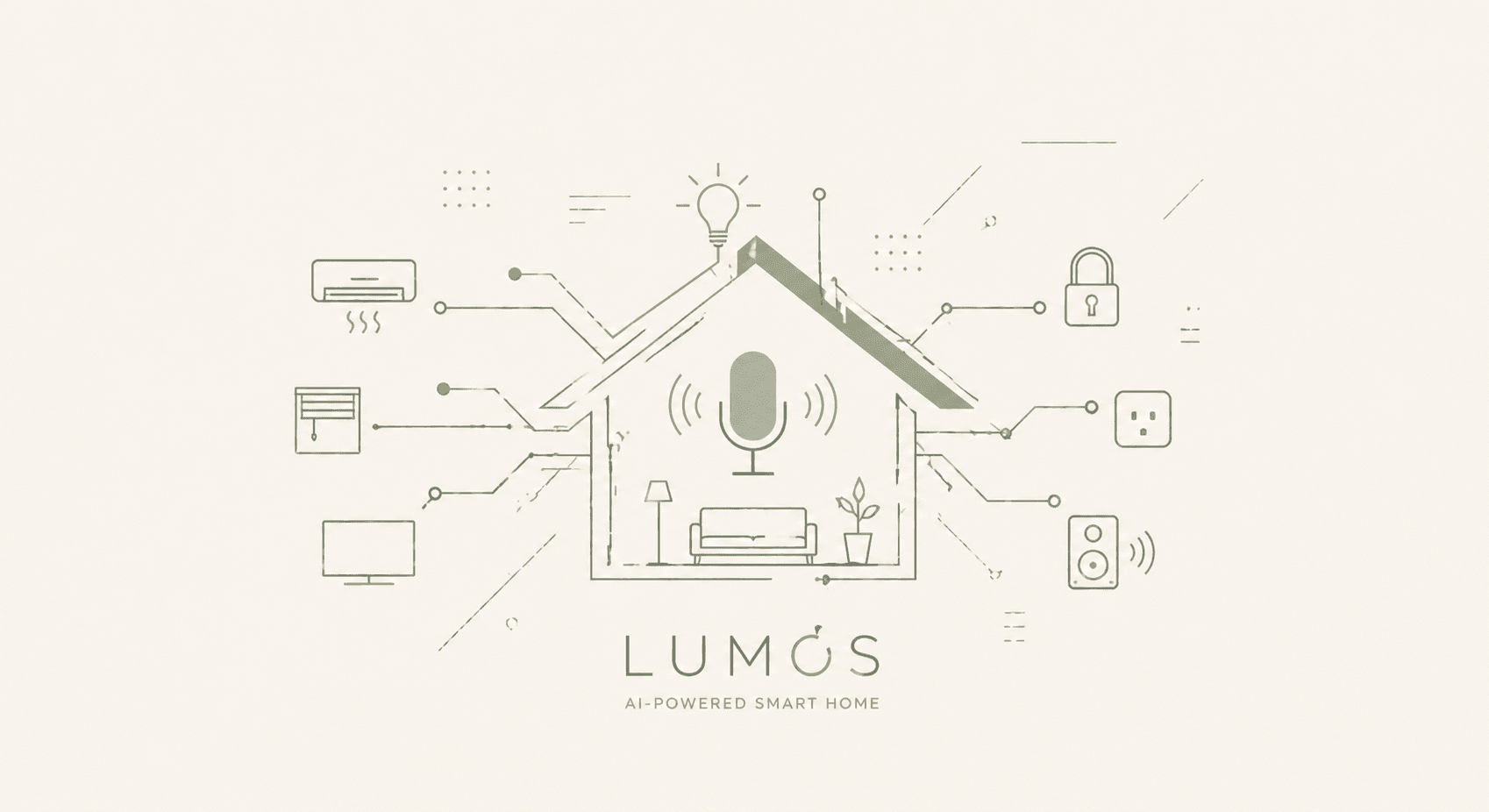
Lumos is a smart home project using vocal commands to control devices. It has two versions: one integrated with external LLM API and another using totally local AI with n8n, whisper, and models running on a local machine. The system allows users to manage their smart home devices through natural language commands, providing a seamless and efficient home automation experience.






























Welcome to ML
About Me
I am Lovatiana RABARIJAONA,
motivated and passionate about machine learning and applied AI, I am a student at MISA (Applied Mathematics, Computer Science, and Statistics). I am eager to apply my knowledge in model development, data analysis, and problem-solving to real-world challenges. With a strong foundation in coding and mathematics, I am focused on building practical AI systems that are reliable and useful.
Education
2024 - Present
Master's in Applied Mathematics, Computer Science, and Statistics (MISA)
University of Antananarivo
Specializing in applied mathematics, computer science, and statistical analysis to solve real-world challenges.
2023 - 2024
Bachelor's in Applied Mathematics, Computer Science, and Statistics (MISA)
University of Antananarivo
Developed advanced problem-solving skills in data analysis and programming.
2021 - 2023
Bachelor's in Mathematics and Computer Science
University of Antananarivo
Gained foundational knowledge in Programming and Mathematics.
2020
BACC C (High School Diploma)
Lycée Privé FJKM Ambatolampy Ambohitrimanjaka
Graduated with a strong focus on mathematics and sciences.
Work

Credit Scoring
Predicting loan default probability from customer financial data across African markets
Built a robust and generalisable machine learning pipeline to estimate the likelihood of loan default for both existing customers and new applicants. The challenge focused on highly diverse customer profiles and dynamic market conditions across Africa. Beyond prediction accuracy, the solution was designed to support production credit scoring by transforming model probabilities into practical risk bands and scalable score buckets for lending decisions.



CIFAR Image Classification (CNN)
Image classification on CIFAR using a custom CNN with PyTorch
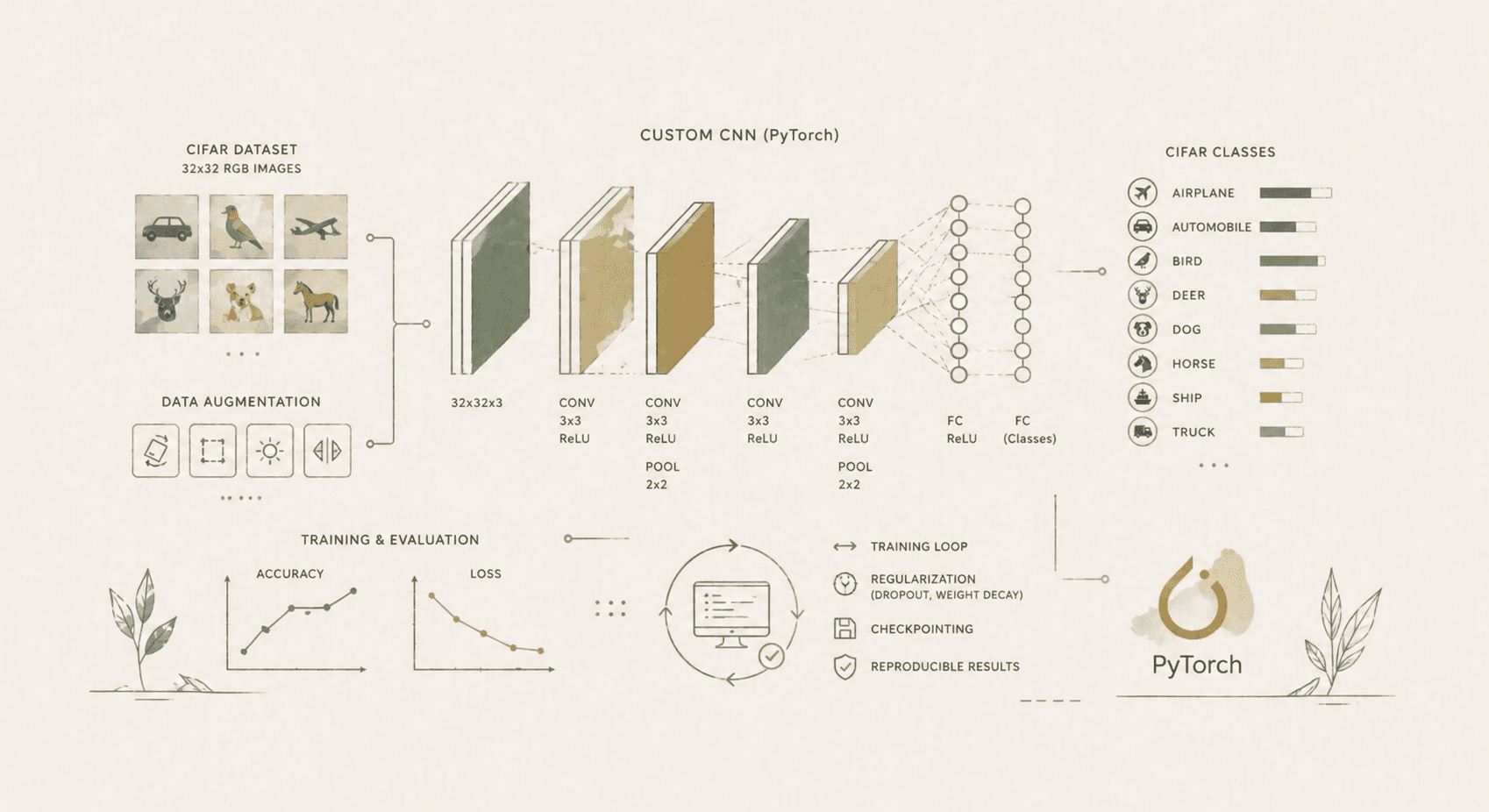
Implemented a convolutional neural network in PyTorch to classify CIFAR images. The project includes data augmentation, model training with regularization, and evaluation with accuracy and loss curves. It showcases a clean training loop, checkpointing, and reproducible results for small-scale vision benchmarks.


Financial Health Prediction (FHI)
Classifying SME financial health across Southern Africa using a composite index
Built a predictive model for a Financial Health Index (FHI) that scores SMEs as Low, Medium, or High financial health. The pipeline focuses on four dimensions: savings and assets, debt and repayment ability, resilience to shocks, and access to credit. The output supports targeted interventions and credit strategy by transforming raw features into interpretable health tiers.

EY Biodiversity (Frog) Challenge
Predicting frog species presence from TerraClimate satellite variables
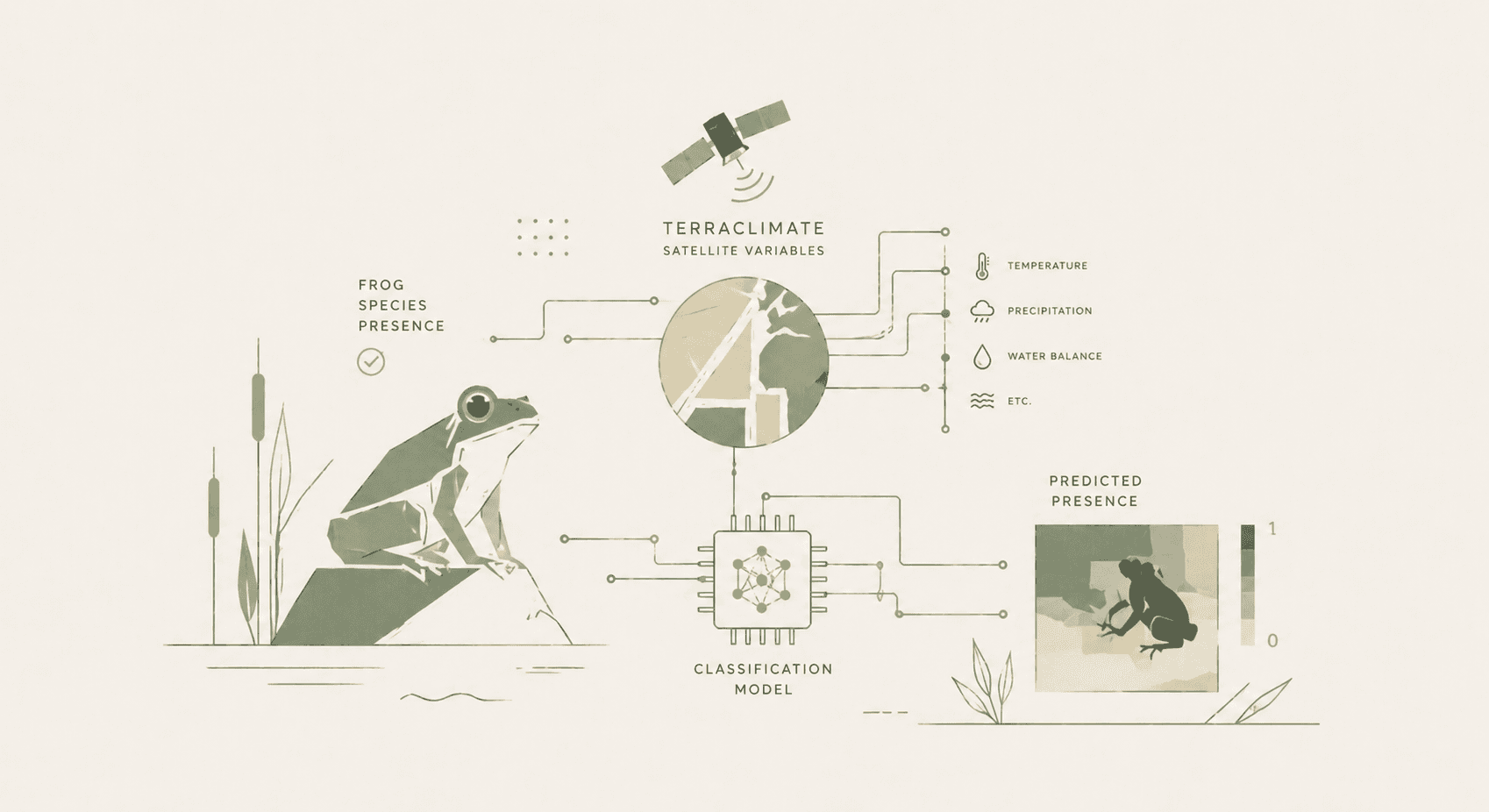
Built a classification model to detect the presence of frog species using monthly climate and water balance variables from the TerraClimate dataset. The work leverages satellite-derived signals (via the Microsoft Planetary Computer) to map biodiversity patterns, providing an accessible, data-driven approach for ecological monitoring and conservation.
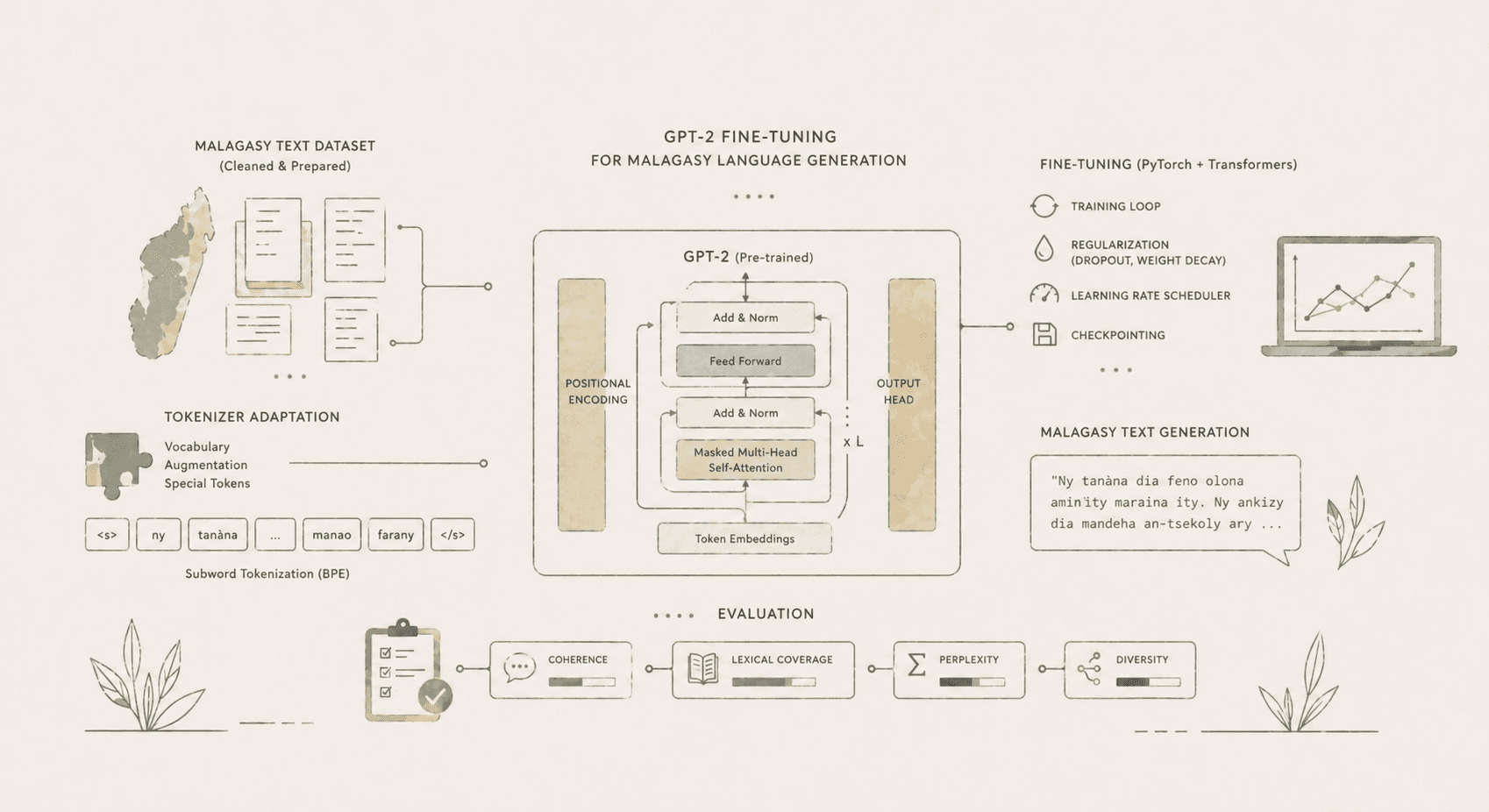
GPT-2 Malagasy Fine-Tuning
Fine-tuned GPT-2 for Malagasy language generation using Transformers
Fine-tuned a GPT-2 model on Malagasy text to improve local language fluency and generation quality. The work covers dataset preparation, tokenizer adaptation, and training with PyTorch + Transformers, with evaluation on coherence and lexical coverage for Malagasy.
Lumos
AI-powered smart home automation system
Lumos is a smart home project using vocal commands to control devices. It has two versions: one integrated with external LLM API and another using totally local AI with n8n, whisper, and models running on a local machine. The system allows users to manage their smart home devices through natural language commands, providing a seamless and efficient home automation experience.
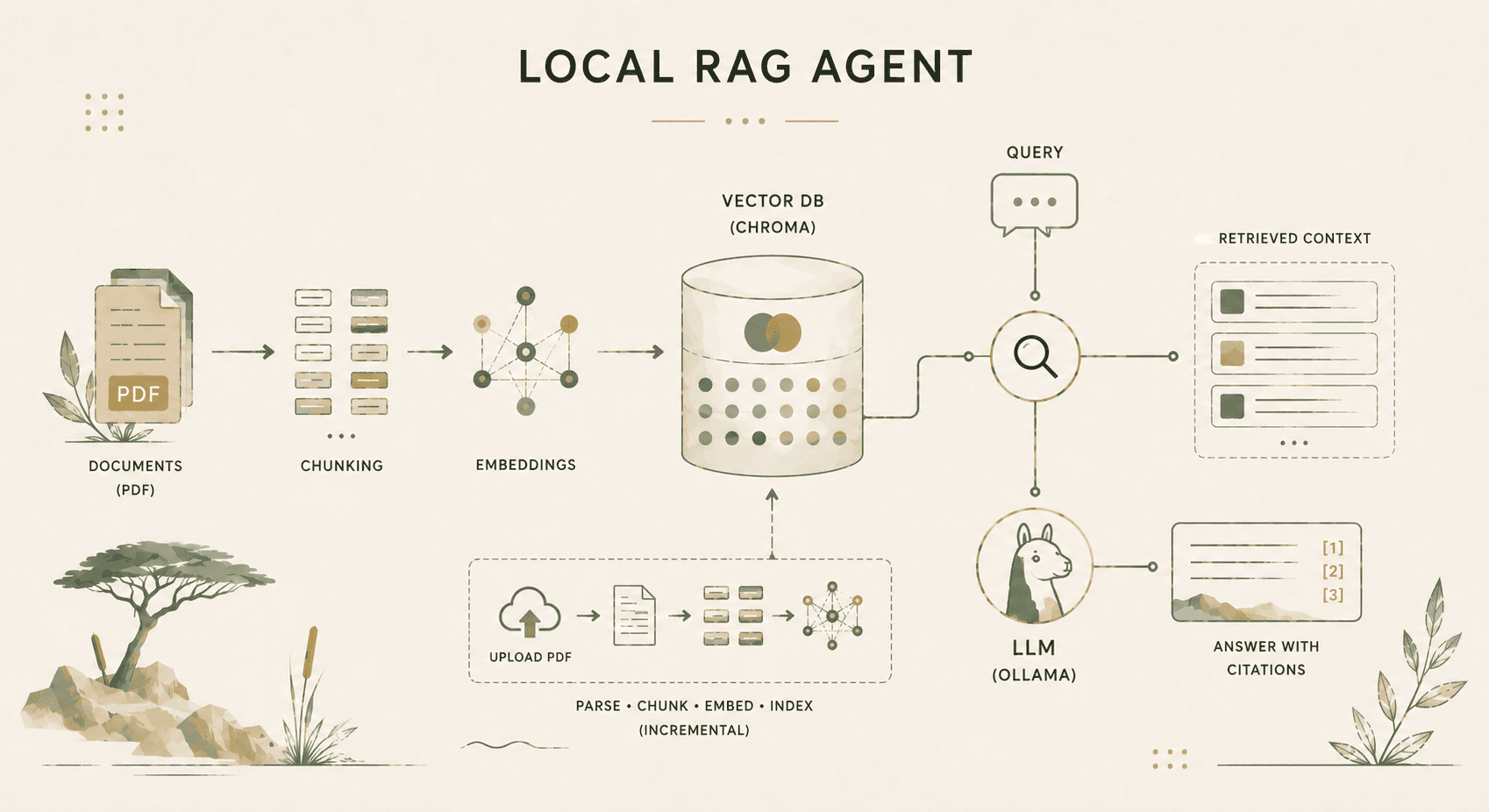
Local RAG Agent
Fully local retrieval-augmented generation API with dynamic document ingestion
A Retrieval-Augmented Generation (RAG) system built with FastAPI and LlamaIndex, running entirely on local infrastructure with no external API dependency. Documents are chunked, embedded, and stored in a persistent Chroma vector database, then queried through a local LLM served via Ollama. The API exposes endpoints to query the knowledge base with source citations and to upload PDF files on the fly, which are parsed and incrementally indexed into the existing vector store without re-processing the whole corpus.